A hub for DIY woodworking, featuring easy-to-follow tutorials for creating small furniture and decor.

Sunday, February 2, 2025

Printable Woodworking Plans: Easy-to-Follow Blueprints for DIYers

Printable Woodworking Plans: Easy-to-Follow Blueprints for DIYers

The allure of handcrafted wooden objects is undeniable. From the rustic charm of a farmhouse table to the sleek elegance of a modern bookshelf, woodworking projects offer a unique blend of creativity and practicality. However, embarking on a woodworking project without a solid plan can quickly lead to frustration and potentially wasted materials. This is where meticulously crafted, printable woodworking plans become invaluable assets for DIY enthusiasts of all skill levels. This article explores the benefits of utilizing printable plans and provides guidance on selecting and effectively employing them to ensure successful project completion.

Understanding the Value of Printable Woodworking Plans

Printable woodworking plans transcend simple diagrams; they serve as comprehensive guides, offering detailed instructions and visual representations necessary for successful project execution. Their value lies in several key aspects:

Precision and Accuracy

Unlike relying on vague descriptions or imprecise sketches, printable plans provide exact dimensions, cut lists, and assembly instructions. This precision minimizes errors, reducing material waste and ensuring the final product meets the intended design specifications. The detailed nature of the plans allows for a more controlled and predictable outcome, leading to a higher level of satisfaction for the maker.

Accessibility and Convenience

Printable plans offer unparalleled accessibility. Unlike online tutorials that require consistent internet access, printable plans are readily available offline, allowing for work in any location, regardless of internet connectivity. This is particularly advantageous for those working in workshops or garages without reliable Wi-Fi access. Furthermore, the ability to physically annotate the plans with notes and modifications makes the planning process more personalized and efficient.

Cost-Effectiveness

While purchasing pre-made furniture might seem more convenient initially, the long-term cost-effectiveness of building projects from printable plans is significant. Printable plans represent a fraction of the cost of commercially produced items, allowing for greater savings and potentially the creation of bespoke pieces tailored to specific needs and preferences.

Learning and Skill Development

Working from printable plans is an excellent method for enhancing woodworking skills. The detailed instructions and visual aids provide a structured learning environment, allowing DIYers to gradually master various techniques and refine their craftsmanship. The process fosters a deeper understanding of woodworking principles and encourages continuous improvement.

Choosing the Right Printable Woodworking Plans

The abundance of printable woodworking plans available online and in print necessitates a discerning approach to selection. Consider the following factors:

Skill Level

Accurately assess your woodworking skills before selecting a project. Beginner plans will typically feature simpler designs and straightforward instructions, whereas advanced plans involve more intricate joinery and complex techniques. Selecting a project that aligns with your capabilities will maximize the chances of success and prevent frustration.

Project Complexity

Consider the time commitment required for a particular project. Some plans may represent relatively quick builds, while others may require extensive time and effort. Realistic assessment of your available time and resources is crucial in avoiding project abandonment due to time constraints.

Material Specifications

Carefully examine the material specifications outlined in the plans. Ensure you have access to the necessary types and quantities of wood, hardware, and finishing materials. Understanding the specific wood types and their properties is essential to ensure the project's durability and aesthetic appeal.

Clarity and Detail

Before committing to a purchase or download, review sample pages or preview images to assess the clarity and detail of the plans. The plans should be easy to understand, with clear diagrams, precise dimensions, and comprehensive instructions. Ambiguous or poorly rendered plans can lead to significant problems during construction.

Utilizing Printable Woodworking Plans Effectively

Once you've chosen your plans, follow these steps for optimal utilization:

Preparation is Key

Before commencing construction, meticulously review the entire set of plans. Familiarize yourself with each step, identify any potential challenges, and gather all necessary tools and materials. Creating a checklist of tools and materials can help ensure you have everything ready before starting.

Careful Measurement and Cutting

Precise measurement and cutting are paramount to success. Use accurate measuring tools and take your time to ensure accurate cuts. Double-checking measurements before making cuts will reduce errors and prevent wasted materials. Employ appropriate cutting techniques based on the type of wood and the project's requirements.

Assembly and Joiners

Follow the assembly instructions meticulously. Pay close attention to the type of joinery used and employ proper techniques for each join. Use appropriate clamps and fasteners to ensure strong and secure joints. Take your time and avoid rushing the process; accurate assembly is critical to the project's overall structural integrity.

Finishing Touches

The final step often involves sanding, staining, or painting. Follow the recommended finishing procedures outlined in the plans. Proper finishing enhances the aesthetic appeal and protects the finished product from damage. Consider the desired look and choose appropriate finishing techniques to achieve the desired effect.

Beyond the Plans: Resources and Support

Even with detailed plans, encountering challenges is possible. Several resources can provide additional support:

  • Online woodworking forums and communities: Connect with experienced woodworkers who can offer advice and guidance on specific issues.
  • Woodworking videos and tutorials: Supplement the written instructions with visual demonstrations of specific techniques.
  • Local woodworking clubs or classes: Gain hands-on experience and learn from experienced instructors.

In conclusion, printable woodworking plans offer a valuable pathway to crafting beautiful and functional wooden objects. By carefully selecting plans appropriate to one's skill level and diligently following the instructions, DIY enthusiasts can unlock their creative potential and enjoy the rewarding experience of building something with their own hands. Remember that patience, attention to detail, and a willingness to learn are key ingredients in any successful woodworking project.

Share:

Saturday, February 1, 2025

Furniture Dolly Plans for Building Your Own Furniture Movers

Building Your Own Furniture Dolly: A Step-by-Step Guide

So, you're moving, huh? Or maybe you just need a super-easy way to rearrange your living room without pulling a muscle? Either way, you've landed in the right place. Forget renting those expensive, often flimsy, furniture dollies. Let's build your own! This guide will walk you through creating a sturdy, reliable furniture dolly that'll make moving heavy items a breeze. We'll cover everything from choosing the right materials to the final assembly. Get ready to unleash your inner DIY enthusiast!

Choosing Your Materials: The Foundation of a Great Dolly

Before you even grab a hammer, let's talk materials. The key here is strength and stability. We're moving heavy furniture, after all! Here's a breakdown of what you'll need:

The Base: Plywood or MDF?

Your base is the foundation of your dolly, so choose wisely. I recommend either ¾-inch plywood or ½-inch medium-density fiberboard (MDF). Plywood is generally stronger and more durable, especially for heavier loads. MDF is a bit cheaper and easier to cut, but it's less resistant to moisture and can chip more easily. Think about what you'll be moving – if you're dealing with particularly heavy pieces, plywood is the safer bet.

The Wheels: Size Matters!

Don't skimp on the wheels! You want heavy-duty casters, preferably with a swivel function for easy maneuverability. Look for a weight capacity that significantly exceeds the heaviest item you plan to move. And remember, bigger isn't always better – smaller wheels are easier to maneuver in tight spaces, but you'll want something at least 4 inches in diameter to handle bumps and thresholds.

Other Essentials:

You'll also need a few extra things to put it all together:

  • Wood screws (appropriate length and gauge for your chosen wood) – Always err on the side of slightly longer screws for a more secure hold.
  • Wood glue – Adds extra strength and stability to your joints.
  • Measuring tape – Crucial for accurate cuts and assembly.
  • Saw (circular saw or jigsaw) – A circular saw is faster, but a jigsaw offers more precision for curves.
  • Drill – For pre-drilling holes (this prevents wood splitting) and driving screws.
  • Safety glasses and hearing protection – Always prioritize safety when using power tools!
  • Optional: Sandpaper – For smoothing any rough edges after cutting.

Building Your Dolly: A Step-by-Step Process

Alright, let's get building! This is where the fun begins. Here's a simple plan for a rectangular dolly. Feel free to adapt this design to suit your needs – a square base works just as well!

Step 1: Cutting the Wood

First, measure and cut your plywood or MDF into the desired dimensions for the base. I suggest a base around 24 inches by 18 inches, but adjust according to your needs. Remember to measure twice, cut once!

Step 2: Attaching the Casters

Once you've cut your base, it's time to attach the casters. This is where pre-drilling holes is essential! Drill pilot holes for the caster screws at the corners of your base (slightly inset from the edge for strength). Apply wood glue to the caster plates before screwing them into place. Let the glue set for at least 30 minutes before proceeding.

Step 3: Adding Reinforcements (Optional but Recommended)

For added strength, consider adding a cross-brace to the bottom of the dolly. This will significantly increase the stability of your dolly, especially when moving heavier loads. Cut a piece of wood to fit diagonally across the base and attach it securely with wood glue and screws.

Step 4: Finishing Touches (Optional)

Once your dolly is fully assembled, you can add some finishing touches. Sanding down any rough edges will make it smoother and safer to handle. You could also apply a coat of paint or sealant to protect the wood from moisture and wear. This is especially important if you plan on using your dolly outdoors.

Beyond the Basics: Customizing Your Dolly

This basic design is a great starting point, but the possibilities are endless! Here are a few ideas to customize your furniture dolly:

  • Add a handle: Attaching a sturdy handle to one side will make it even easier to maneuver the dolly.
  • Increase the size: For extra-large or bulky items, make the base larger.
  • Use different materials: Experiment with different types of wood, or even use metal for a super-robust dolly.
  • Add protective padding: Line the top of the dolly with some thick padding (like carpet scraps) to protect your furniture from scratches.

Commonly Asked Questions

I know you might have some questions, so here are some answers to the most frequently asked ones:

  • Q: What's the weight capacity of a homemade dolly? A: The weight capacity depends on the materials and construction. With sturdy plywood and heavy-duty casters, you can move surprisingly heavy items – probably up to 300-500 lbs, but always test with lighter items first.
  • Q: Can I use this dolly for appliances? A: Yes, but be cautious. Make sure your dolly is strong enough to support the weight, and always use proper lifting techniques to avoid injury.
  • Q: What if my wheels get stuck? A: Make sure you're using well-lubricated casters and avoid rough surfaces whenever possible.
  • Q: How long does it take to build? A: A few hours, depending on your experience and the complexity of your design.
  • Q: Can I use other types of fasteners? A: Yes, but screws generally provide the strongest and most reliable hold.

There you have it! Building your own furniture dolly is a rewarding project that will save you money and make moving day (or even just rearranging your furniture) a whole lot easier. So grab your tools, get creative, and happy building!

Share:

Aquarium Furniture Plans for Custom Fish Tank Stands and Racks

Building Your Dream Aquarium: Custom Furniture Plans for Fish Tank Stands and Racks

So, you've got a gorgeous aquarium, maybe even a monster of a tank, and now you need the perfect stand or rack to showcase it? Forget those flimsy, mass-produced options! Let's talk about building your own custom aquarium furniture. It's more rewarding, more adaptable, and often more affordable than you think. This guide will walk you through the design process, offer some essential considerations, and get you well on your way to creating a stunning, functional, and personalized piece of furniture.

Planning Your Aquarium Furniture Project

Before you even think about grabbing a saw, let's nail down the basics. This is the most crucial step, trust me. Rushing this stage will only lead to headaches later.

1. Tank Dimensions: The Foundation of Everything

Your tank's dimensions are the absolute non-negotiable starting point. Measure the length, width, and especially the height of your aquarium, including any extra space needed for hood, lighting or filtration equipment. Add a few inches to each dimension for safety and stability. Remember, you'll need space for the weight of the water and the tank itself, which is significantly heavier than you'd guess!

2. Choosing the Right Material: Strength and Style

Durability is paramount. You're dealing with hundreds, even thousands, of pounds of water, so cheap materials are a definite no-no. Popular choices include:

  • Solid wood: Offers excellent strength and a beautiful, natural look. Oak, maple, and cherry are all good choices. Consider using treated lumber if you're placing the stand in a humid environment.
  • Plywood: A more affordable option, but ensure you use a high-quality, exterior-grade plywood rated for moisture resistance to prevent warping and damage.
  • MDF (Medium-Density Fiberboard): Can be painted easily and is fairly inexpensive, but it's not as strong as wood and requires careful sealing to protect it from moisture.
  • Metal: A strong and durable alternative, but it can be more challenging to work with and may require specialized tools.

Think about your décor as well! Do you want a rustic look, a modern minimalist design, or something in between?

3. Sketching Your Design: Putting Pen to Paper (or Pixel to Screen)

Now for the fun part! Sketch out your design. Consider:

  • Stand height: A comfortable working height is essential, especially for larger tanks.
  • Shelf space: Do you need extra shelves for equipment, decorations, or other aquarium supplies?
  • Door design: Do you need doors for easy access to equipment? Sliding doors, hinged doors, or even no doors are all viable options.
  • Style: Think about the overall aesthetic. Do you want clean lines, intricate carvings, or a more industrial look?

Building Your Custom Aquarium Stand

Once you have your plans finalized, it's time to build! This part will depend heavily on your chosen materials and design, but here are some general tips.

1. Cutting and Assembling the Frame: Precision is Key

Accuracy is crucial here. Use precise measurements and a quality saw (circular saw, miter saw, or even a hand saw for smaller projects). Ensure all your cuts are clean and square. Use wood glue and appropriate screws or other fasteners for a strong, secure joint.

2. Adding Shelves and Supports: Strength and Functionality

The shelves need to be sturdy enough to handle the weight of your aquarium and its contents. Consider adding extra support beams or bracing, especially if you have a large tank. Reinforce corners and joints to prevent any movement or wobble.

3. Finishing Touches: Aesthetics and Protection

Sand all surfaces to smooth any rough edges before applying any finish. Choose a finish that is water-resistant and durable, such as a high-quality polyurethane or varnish. Consider a few coats for optimal protection. Don't forget the finishing touches like handles, knobs, or any other decorative elements!

Building Aquarium Racks: Multiple Tanks, Multiple Possibilities

If you're a serious aquarist with multiple tanks, a custom rack is the way to go. The principles remain similar to building a single stand, but with some key differences:

1. Weight Distribution: Stability Over All Else

With multiple tanks, weight distribution is crucial. Make sure the rack is structurally sound and capable of evenly distributing the immense weight. Consider using thicker materials and reinforcement techniques.

2. Spacing and Accessibility: Planning for Maintenance

Allow ample space between the tanks for easy access to maintenance, cleaning, and equipment. Ensure you can reach each tank comfortably without having to move or rearrange other tanks.

3. Plumbing Considerations: Efficient Water Management

If you're planning on connecting multiple tanks, plan your plumbing accordingly. Consider incorporating features that will make water changes and maintenance simpler.

Commonly Asked Questions

Here are some frequently asked questions about building custom aquarium furniture:

  • Q: How much weight can my stand hold? A: This depends entirely on the materials, design, and construction of the stand. Always overestimate the weight of your aquarium and its contents to ensure safety. Consult load capacity charts for the materials you use.
  • Q: What type of wood is best for aquarium stands? A: Hardwoods like oak, maple, and cherry are excellent choices. Ensure the wood is properly treated for moisture resistance.
  • Q: Do I need to use special screws? A: While regular wood screws will work for most projects, consider using exterior-grade screws for added resistance to moisture.
  • Q: How do I protect my stand from water damage? A: Apply several coats of a high-quality, water-resistant finish, such as polyurethane or varnish. Regularly inspect the stand for any signs of moisture or damage.
  • Q: Can I build a stand without any woodworking experience? A: Yes, but it's crucial to start with a simple design and follow detailed plans. Plenty of tutorials and resources are available online. Start with smaller projects to build your skills.
  • Q: How much will it cost to build my own aquarium stand? A: The cost varies based on the materials and design. It can be cheaper than buying a pre-made stand, especially if you already own some tools.

Building your own aquarium furniture is a rewarding experience that allows for ultimate customization and often saves you money. With careful planning and attention to detail, you can create a stunning and functional piece that perfectly complements your aquatic masterpiece!

Share:

Saturday, January 25, 2025

Elegant Console Table Designs with Glass or Marble Tops

Elegant Console Table Designs with Glass or Marble Tops

So, you're looking for a console table? Fantastic! They're such versatile pieces, aren't they? Perfect for entryways, hallways, behind sofas… really, anywhere you need a little extra surface space and a touch of elegance. And when you add a glass or marble top? Oh, my goodness, the possibilities are endless. Let's dive into some stunning designs and explore why these materials are so popular.

The Allure of Glass Tops

There's something undeniably chic about a console table with a glass top. It's all about the light and airy feel. The transparency creates a sense of spaciousness, making even a small hallway seem larger. But it's not just about making a room feel bigger; it's about showcasing the beauty of the base. Think of it as a spotlight for the craftsmanship below. Whether it's intricate metalwork, sleek wood, or a striking combination of materials, the glass allows the base to truly shine.

Modern Minimalism with Glass

For a contemporary look, consider a console table with a clear glass top and a minimalist metal base. Think sleek chrome or brushed stainless steel legs, perhaps in a geometric design. This style is perfect for modern apartments or homes with a clean, uncluttered aesthetic. The transparency of the glass keeps the space feeling open and unburdened, allowing the focus to remain on the clean lines of the base.

Classic Elegance with Glass

You can also achieve a classic and elegant look with glass. Imagine a console table with a clear glass top resting on a beautifully carved wooden base. Perhaps a dark, rich mahogany or a light, airy oak. This style provides a beautiful contrast between the modern clarity of the glass and the traditional warmth of the wood, creating a timeless piece that effortlessly blends with various decor styles. Consider adding decorative elements to the wooden base for extra flair, like intricately carved details or elegant brass inlays.

Playing with Texture and Color with Glass

Don't limit yourself to clear glass! Frosted glass, smoked glass, or even colored glass can add a unique personality to your console table. A frosted glass top can create a more diffused, softer light, while smoked glass adds a touch of mystery and sophistication. Colored glass, such as a deep emerald green or a vibrant sapphire blue, can become a statement piece in your home.

The Majestic Beauty of Marble Tops

Marble. Just the word itself evokes images of luxury and sophistication. A console table with a marble top instantly elevates the space, bringing a touch of timeless elegance and high-end style. The natural veining and subtle color variations in marble make each piece unique and incredibly beautiful. It's a material that ages gracefully, adding character and charm over time.

Classic Marble Console Tables

For a truly classic look, pair a marble top with a sturdy wooden base. The contrast between the cool, smooth marble and the warm, textured wood creates a beautiful visual harmony. Choose a simple, elegant base to let the marble be the star of the show, or opt for a more ornate base for a bolder statement.

Modern Marble Designs

Marble isn't just for traditional styles. It works beautifully in modern settings, too. A sleek, minimalist metal base paired with a marble top creates a striking contrast that is both sophisticated and contemporary. Think clean lines, geometric shapes, and a palette of neutral colors.

Choosing the Right Marble

There are many types of marble available, each with its unique characteristics. Carrara marble is known for its clean white background with subtle gray veining, while Calacatta marble boasts bolder, more dramatic veining. Nero Marquina marble is a striking black marble with intricate white veining. Consider your existing décor and personal style when choosing the perfect marble for your console table.

Beyond the Top: The Importance of the Base

While the glass or marble top is undeniably the showstopper, the base is equally important. It’s the foundation that determines the overall style and functionality of the console table. A sturdy, well-designed base provides support and stability, while also adding to the aesthetic appeal. Consider these factors when choosing a base:

  • Material: Wood, metal, stone â€" each offers a different look and feel.
  • Style: Modern, traditional, rustic, minimalist â€" the style of the base should complement your home's décor.
  • Height: Ensure the height of the console table is appropriate for its intended location.
  • Storage: Consider if you need drawers or shelves for extra storage.

Maintenance Tips for Glass and Marble Tops

While both glass and marble are beautiful, they do require a little extra care. Glass tops are relatively easy to clean, but avoid harsh chemicals that could scratch or damage the surface. For marble, regular cleaning with a soft cloth and a mild cleaner is essential. Avoid acidic substances, as they can etch the marble. A marble sealant can help protect the surface from stains and spills.

Commonly Asked Questions

Q: Are glass console tables fragile?

A: While glass can break, many modern console tables use tempered glass, which is much stronger and more resistant to breakage than standard glass. The sturdiness of the base also plays a crucial role in the overall stability of the table.

Q: How do I clean a marble console table?

A: Use a soft cloth and a mild cleaner, avoiding acidic substances. Regularly seal your marble to protect it from stains and spills.

Q: Are console tables with glass or marble tops expensive?

A: Prices vary greatly depending on the size, materials, and craftsmanship. You can find affordable options, but high-end pieces with premium materials can be quite costly.

Q: Where can I buy a console table with a glass or marble top?

A: You can find these tables at furniture stores, both online and brick-and-mortar, as well as through interior design showrooms and specialty retailers.

Hopefully, this has given you a better understanding of the many beautiful and versatile designs available when it comes to console tables with glass or marble tops! Happy decorating!

Share:

Step-by-Step DIY Guide to Building and Painting Wooden Wall Signs for Beginners

Craft Your Dream: A Beginner's Guide to Building & Painting Wooden Wall Signs

Ready to unleash your inner artist and add a personalized touch to your home décor? Building and painting wooden wall signs is a surprisingly accessible craft, perfect for beginners. This step-by-step guide will walk you through the process, from selecting your materials to proudly displaying your finished masterpiece. Get ready to transform plain wood into a charming statement piece!

Gathering Your Supplies: A Checklist for Success

Before you dive into the creative process, gather your essential supplies. This ensures a smooth and efficient workflow. Don't worry, you likely already have some items on this list! Head to your local craft store or hardware store to pick up the rest. Investing in quality materials will make a noticeable difference in your final product.

Essential Materials:

  • Wood: Choose a piece of wood appropriate for your sign's size and design. Untreated pine or plywood works well for beginners. Consider the thickness â€" thicker wood offers a more substantial feel.
  • Sandpaper: You'll need various grits (e.g., 80, 120, 220) for smoothing the wood. Start with coarser grits and finish with finer ones for a perfectly smooth surface.
  • Primer: A high-quality primer ensures your paint adheres properly and prevents bleed-through. Choose a primer suitable for wood.
  • Paint: Select your favorite paint colors! Acrylic paints are a great choice for their versatility and easy cleanup.
  • Paintbrushes: Get different brush sizes for various details. A high-quality brush will leave a smoother finish.
  • Stencil (Optional): Use stencils to create crisp lettering or designs if you lack confident freehand painting skills.
  • Pencil: For sketching your design directly onto the wood or transferring a stencil.
  • Measuring Tape & Ruler: Accurately measure and mark your wood for cutting and design placement.
  • Saw (Optional): If you need to cut your wood to size, a hand saw or jigsaw will do the trick.
  • Wood Glue (Optional): If you're creating a layered design, wood glue will secure the pieces.
  • Clamps (Optional): Hold layers together securely while the wood glue dries.
  • Protective Gear: Always wear safety glasses and a dust mask when sanding and sawing.

Preparing Your Wood: The Foundation of a Great Sign

Proper wood preparation is crucial for a professional-looking finish. Take your time with this step â€" it will significantly impact the final result. A smoothly sanded surface allows for even paint application and prevents imperfections from showing through.

Sanding to Perfection:

Begin by sanding your wood with the coarser grit sandpaper (80 grit), working in the direction of the wood grain. Gradually switch to finer grits (120 and then 220) to achieve a smooth, even surface. Pay close attention to any rough edges or imperfections.

Cleaning Up:

Once sanded, wipe down your wood thoroughly with a damp cloth to remove all dust particles. This prevents dust from interfering with the primer and paint adhesion.

Painting Your Masterpiece: Adding Color and Character

Now comes the fun part â€" painting your sign! Follow these steps to create a beautiful and durable finish. Remember to work in a well-ventilated area.

Priming for Success:

Apply a thin, even coat of primer to your prepared wood. Allow it to dry completely according to the manufacturer's instructions. Priming is essential for ensuring the paint adheres correctly and preventing the wood grain from showing through.

Painting Your Design:

Once the primer is dry, apply your chosen paint color(s). For a solid color, apply two thin coats, allowing each coat to dry completely before applying the next. If using a stencil, carefully apply the stencil to the wood and use a small brush to paint within the stencil's lines. For a more rustic look, consider using a dry brush technique, applying paint with a barely loaded brush for a distressed effect.

Adding Finishing Touches:

Once your paint is completely dry, you can add any additional details like embellishments, lettering, or a sealant to protect your artwork.

Displaying Your Creation: Sharing Your Handmade Art

Congratulations! You've successfully built and painted your wooden wall sign. Now, find the perfect spot to display your handcrafted artwork. Consider the style of your room and where the sign will best complement your existing décor. You can hang it using picture hooks, nails, or even adhesive strips depending on the weight of your sign and the type of wall.

Enjoy the satisfaction of creating something beautiful and unique with your own hands. Share your creation with friends and family â€" and get ready to start your next project!

Share:

Wednesday, November 20, 2024

How to Make and Sell Wooden Chess Tables with Built-In Chairs for a Complete Set

How to Make and Sell Wooden Chess Tables with Built-In Chairs for a Complete Set

Crafting and Selling Wooden Chess Tables with Built-In Chairs: A Complete Guide

Are you passionate about woodworking and love the classic game of chess? Combining these interests could lead to a fulfilling and potentially profitable business venture. Building and selling wooden chess tables with built-in chairs offers a unique blend of craftsmanship and entrepreneurial spirit. This guide provides a step-by-step approach to turning your woodworking skills into a thriving business.

1. Planning and Design

Before diving into the workshop, it's essential to have a clear vision for your chess tables. Consider these factors:

1.1 Target Audience

Who are your ideal customers? Are you aiming for casual players, serious competitors, or families looking for a unique game table? Understanding your target market will shape design choices, pricing, and marketing strategies.

1.2 Size and Dimensions

Decide on the optimal dimensions for your chess table. Standard chessboard sizes are 18" x 18" or 20" x 20". Factor in the chair dimensions to ensure comfortable seating and ample legroom for players.

1.3 Style and Aesthetics

Choose a style that aligns with your target market. Traditional designs with intricate carvings appeal to some, while modern minimalist styles might resonate with others. Consider using high-quality wood species like cherry, walnut, or mahogany for a premium look and feel.

1.4 Features and Functionality

Think about additional features that enhance the playing experience:

  • Cup holders for drinks.
  • Storage compartments for chess pieces and accessories.
  • Built-in lighting for evening games.
  • Optional fold-away design for space-saving.
  • 2. Materials and Tools

    Gather the necessary materials and tools for constructing your chess tables:

    2.1 Wood

    Select high-quality wood species known for their durability and aesthetic appeal. Examples include:

  • Cherry
  • Walnut
  • Mahogany
  • Maple
  • Oak
  • 2.2 Hardware

    You'll need various hardware components, including:

  • Screws and bolts for assembly
  • Hinges for folding tables
  • Casters for easy mobility
  • Wood glue for strong joints
  • 2.3 Tools

    A well-equipped workshop is essential. Gather the following tools:

  • Saw (circular, table, or band saw)
  • Router
  • Drill press
  • Sanding tools (sandpaper, belt sander, orbital sander)
  • Clamps
  • Measuring tools (ruler, tape measure, square)
  • Finishing tools (brushes, spray gun, rags)
  • 3. Construction Process

    Follow these steps to build your wooden chess tables:

    3.1 Table Base

    Start by constructing the table base. Cut and assemble the legs, rails, and aprons. Ensure the base is sturdy and level.

    3.2 Chessboard Platform

    Create a platform to hold the chessboard. This can be a simple wooden panel or a more elaborate frame. Make sure the platform fits securely on the base.

    3.3 Chairs

    Construct the chairs. Build the seat, backrest, legs, and armrests. Consider using comfortable and durable materials for the seat and back.

    3.4 Assembly

    Carefully assemble the table base, chessboard platform, and chairs. Make sure all connections are secure and the table is level.

    3.5 Finishing Touches

    Sand the entire table and chairs to a smooth finish. Apply a wood stain or paint, depending on your desired look. Apply a protective sealant to protect the wood from scratches and spills.

    4. Marketing and Sales

    Once your chess tables are complete, you need to get them in front of potential buyers:

    4.1 Online Presence

    Create a website or online shop to showcase your chess tables. Use high-quality photos and detailed descriptions to highlight their features and craftsmanship. Consider selling on popular e-commerce platforms like Etsy or Amazon.

    4.2 Social Media Marketing

    Leverage social media platforms like Instagram and Facebook to share photos and videos of your chess tables. Engage with potential customers, run contests, and build a following for your brand.

    4.3 Local Events

    Participate in local craft fairs, art shows, and community events. This allows you to connect with potential customers directly and showcase your tables in person.

    4.4 Partnerships

    Collaborate with local businesses like chess clubs, coffee shops, or furniture stores to promote your chess tables and reach new audiences.

    5. Pricing and Profitability

    Determine a fair price for your chess tables considering factors such as:

    5.1 Materials Cost

    Calculate the cost of wood, hardware, and finishing materials. Factor in any additional costs associated with production, such as power and tools.

    5.2 Labor Cost

    Estimate the time you spend crafting each table. Assign a reasonable hourly rate for your labor.

    5.3 Market Competition

    Research prices for similar chess tables online and in local stores. Adjust your pricing to be competitive while reflecting the value of your craftsmanship.

    5.4 Profit Margin

    Ensure your pricing allows for a reasonable profit margin after covering all costs. This will ensure sustainability and the potential for future growth.

    Commonly Asked Questions

    Here are some frequently asked questions about crafting and selling wooden chess tables:

    Q: How much time does it take to build a chess table?

    The construction time varies depending on the complexity of the design, your skill level, and the tools you use. A simple table might take 20-30 hours, while a more intricate design could take 50-70 hours or more.

    Q: What are the potential profits from selling chess tables?

    The profit potential depends on your pricing strategy, sales volume, and operational costs. A well-crafted chess table can be sold for $500 to $2,000 or more, depending on the materials, design, and features. With good marketing and a reasonable production volume, you can earn a decent profit.

    Q: Where can I find inspiration for chess table designs?

    Online resources like Pinterest and Google Images offer a wealth of inspiration. You can also look at furniture catalogs, antiques shops, and visit woodworking forums for ideas.

    Q: How do I protect my chess table designs?

    While you can't copyright a general design concept, you can trademark specific names, logos, or unique features for your tables. Additionally, you can apply for a design patent if your chess table has a novel and non-obvious design.

    Starting a woodworking business involves hard work and dedication, but with a passion for chess and woodworking skills, you can create beautiful and functional chess tables that bring joy to players and investors alike. Remember to approach your business with meticulous planning, attention to detail, and a desire to exceed customer expectations.

    Share:

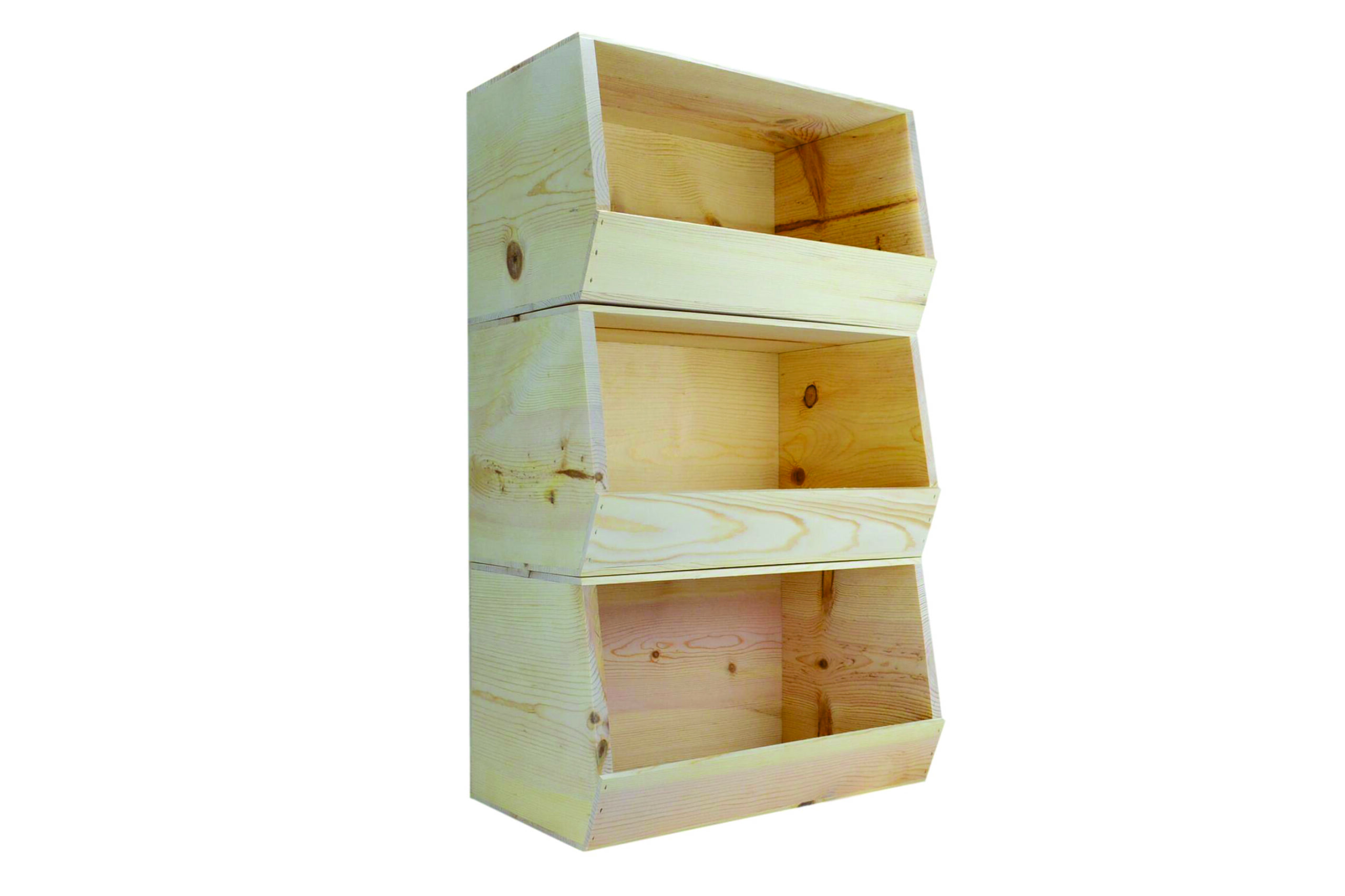
    Wooden Storage Bins with Personalization Options for Sale

    Wooden Storage Bins with Personalization Options for Sale

    Wooden Storage Bins with Personalization Options

    In the realm of home organization and decorative accents, wooden storage bins have emerged as a timeless and versatile solution. These charming containers not only provide a practical means of storing belongings but also add a touch of rustic elegance to any space. With the advent of personalization options, wooden storage bins have transcended their functional role and become cherished keepsakes that reflect individual style and taste.

    The Allure of Wooden Storage Bins

    The appeal of wooden storage bins lies in their inherent warmth, durability, and aesthetic appeal. Crafted from natural materials, these bins exude a sense of timelessness and sophistication. Their solid construction ensures longevity, while their versatility makes them suitable for a wide range of storage needs.

    Benefits of Wooden Storage Bins

    • Durability: Wood is a naturally strong and resilient material, making these bins ideal for storing heavy items.
    • Versatility: Wooden storage bins can be used for a variety of purposes, from storing toys and clothes to organizing craft supplies and books.
    • Aesthetic Appeal: Their rustic charm and natural beauty add a touch of warmth and character to any room.
    • Environmental Friendliness: Wood is a renewable resource, making these bins an eco-conscious choice.

    Personalization Options: Elevating Wooden Storage Bins to Keepsakes

    The ability to personalize wooden storage bins transforms them from simple storage solutions into cherished keepsakes. These unique touches add a personal element, making them ideal gifts for special occasions or as a way to celebrate individual achievements.

    Popular Personalization Techniques

    • Engraving: Laser engraving allows for precise and intricate designs to be etched onto the wood. Names, initials, dates, and special messages can be permanently inscribed, creating a lasting impression.
    • Painting: Hand-painted designs or custom artwork can be applied to the bins, adding a vibrant splash of color and personalization. This technique allows for creative freedom and unique expressions.
    • Decoupage: Applying decorative paper or fabric to the surface of the bin adds a unique texture and visual interest. This technique is ideal for incorporating favorite images, patterns, or quotes.
    • Monogramming: Adding initials or a monogram adds a touch of elegance and personalization to the bins. This option is especially popular for gifts and for use in a more formal setting.
    • Custom Labels: Creating personalized labels for the bins allows for easy organization and a decorative touch. These labels can be printed on paper, fabric, or even wood.

    Applications for Personalized Wooden Storage Bins

    The versatility of personalized wooden storage bins extends beyond their practical function. These containers can be incorporated into various aspects of life, adding a touch of charm and personalization to every occasion.

    Home Décor and Organization

    • Nursery: Personalized bins with a child's name or initials can store toys, blankets, and other essentials, adding a touch of whimsy to the space.
    • Playroom: Bins labeled with different categories like "blocks," "puzzles," or "art supplies" help organize toys and keep the room tidy.
    • Bedroom: Bins with monograms or decorative designs can be used to store clothes, accessories, and other personal items.
    • Bathroom: Bins with engraved labels can store towels, toiletries, and other bathroom essentials.
    • Living Room: Bins can be used to store remote controls, magazines, and other living room necessities.

    Gifts and Special Occasions

    • Birthdays: Personalized bins with a child's name or a special message can be a thoughtful and practical gift.
    • Weddings: Bins with the couple's names or wedding date can be used to store wedding photos, gifts, or other mementos.
    • Anniversaries: Bins engraved with a special message or a significant date can be a cherished keepsake for a couple's anniversary.
    • Graduation: Bins personalized with a graduate's name or a message of congratulations can be a meaningful and practical gift.
    • Housewarming: Personalized bins with a new homeowner's initials or a welcome message can be a warm and thoughtful gift.

    Business and Branding

    • Promotional Items: Personalized wooden storage bins with a company logo or slogan can be used as promotional giveaways or as part of a corporate gifting program.
    • Retail Displays: Bins can be used to display products or merchandise, adding a touch of rustic charm and elegance to retail environments.
    • Office Organization: Bins can be used to store files, supplies, and other office essentials, adding a personalized touch to the workspace.

    Conclusion

    Wooden storage bins with personalization options offer a perfect blend of practicality and aesthetic appeal. Their ability to enhance organizational efficiency while adding a touch of personal style makes them a valuable addition to any home, business, or special occasion. Whether used for home décor, as thoughtful gifts, or for branding purposes, these versatile containers provide a unique and lasting way to express individuality and create cherished keepsakes.

    Share:

    Search This Blog

    Powered by Blogger.

    Pages

    Featured post

    Printable Woodworking Plans: Easy-to-Follow Blueprints for DIYers

    Printable Woodworking Plans: Easy-to-Follow Blueprints for DIYers The allure of handcrafted wooden objects is undeniable. From the rustic...