A hub for DIY woodworking, featuring easy-to-follow tutorials for creating small furniture and decor.

Wednesday, November 20, 2024

How to Make and Sell Wooden Chess Tables with Built-In Chairs for a Complete Set

How to Make and Sell Wooden Chess Tables with Built-In Chairs for a Complete Set

Crafting and Selling Wooden Chess Tables with Built-In Chairs: A Complete Guide

Are you passionate about woodworking and love the classic game of chess? Combining these interests could lead to a fulfilling and potentially profitable business venture. Building and selling wooden chess tables with built-in chairs offers a unique blend of craftsmanship and entrepreneurial spirit. This guide provides a step-by-step approach to turning your woodworking skills into a thriving business.

1. Planning and Design

Before diving into the workshop, it's essential to have a clear vision for your chess tables. Consider these factors:

1.1 Target Audience

Who are your ideal customers? Are you aiming for casual players, serious competitors, or families looking for a unique game table? Understanding your target market will shape design choices, pricing, and marketing strategies.

1.2 Size and Dimensions

Decide on the optimal dimensions for your chess table. Standard chessboard sizes are 18" x 18" or 20" x 20". Factor in the chair dimensions to ensure comfortable seating and ample legroom for players.

1.3 Style and Aesthetics

Choose a style that aligns with your target market. Traditional designs with intricate carvings appeal to some, while modern minimalist styles might resonate with others. Consider using high-quality wood species like cherry, walnut, or mahogany for a premium look and feel.

1.4 Features and Functionality

Think about additional features that enhance the playing experience:

  • Cup holders for drinks.
  • Storage compartments for chess pieces and accessories.
  • Built-in lighting for evening games.
  • Optional fold-away design for space-saving.
  • 2. Materials and Tools

    Gather the necessary materials and tools for constructing your chess tables:

    2.1 Wood

    Select high-quality wood species known for their durability and aesthetic appeal. Examples include:

  • Cherry
  • Walnut
  • Mahogany
  • Maple
  • Oak
  • 2.2 Hardware

    You'll need various hardware components, including:

  • Screws and bolts for assembly
  • Hinges for folding tables
  • Casters for easy mobility
  • Wood glue for strong joints
  • 2.3 Tools

    A well-equipped workshop is essential. Gather the following tools:

  • Saw (circular, table, or band saw)
  • Router
  • Drill press
  • Sanding tools (sandpaper, belt sander, orbital sander)
  • Clamps
  • Measuring tools (ruler, tape measure, square)
  • Finishing tools (brushes, spray gun, rags)
  • 3. Construction Process

    Follow these steps to build your wooden chess tables:

    3.1 Table Base

    Start by constructing the table base. Cut and assemble the legs, rails, and aprons. Ensure the base is sturdy and level.

    3.2 Chessboard Platform

    Create a platform to hold the chessboard. This can be a simple wooden panel or a more elaborate frame. Make sure the platform fits securely on the base.

    3.3 Chairs

    Construct the chairs. Build the seat, backrest, legs, and armrests. Consider using comfortable and durable materials for the seat and back.

    3.4 Assembly

    Carefully assemble the table base, chessboard platform, and chairs. Make sure all connections are secure and the table is level.

    3.5 Finishing Touches

    Sand the entire table and chairs to a smooth finish. Apply a wood stain or paint, depending on your desired look. Apply a protective sealant to protect the wood from scratches and spills.

    4. Marketing and Sales

    Once your chess tables are complete, you need to get them in front of potential buyers:

    4.1 Online Presence

    Create a website or online shop to showcase your chess tables. Use high-quality photos and detailed descriptions to highlight their features and craftsmanship. Consider selling on popular e-commerce platforms like Etsy or Amazon.

    4.2 Social Media Marketing

    Leverage social media platforms like Instagram and Facebook to share photos and videos of your chess tables. Engage with potential customers, run contests, and build a following for your brand.

    4.3 Local Events

    Participate in local craft fairs, art shows, and community events. This allows you to connect with potential customers directly and showcase your tables in person.

    4.4 Partnerships

    Collaborate with local businesses like chess clubs, coffee shops, or furniture stores to promote your chess tables and reach new audiences.

    5. Pricing and Profitability

    Determine a fair price for your chess tables considering factors such as:

    5.1 Materials Cost

    Calculate the cost of wood, hardware, and finishing materials. Factor in any additional costs associated with production, such as power and tools.

    5.2 Labor Cost

    Estimate the time you spend crafting each table. Assign a reasonable hourly rate for your labor.

    5.3 Market Competition

    Research prices for similar chess tables online and in local stores. Adjust your pricing to be competitive while reflecting the value of your craftsmanship.

    5.4 Profit Margin

    Ensure your pricing allows for a reasonable profit margin after covering all costs. This will ensure sustainability and the potential for future growth.

    Commonly Asked Questions

    Here are some frequently asked questions about crafting and selling wooden chess tables:

    Q: How much time does it take to build a chess table?

    The construction time varies depending on the complexity of the design, your skill level, and the tools you use. A simple table might take 20-30 hours, while a more intricate design could take 50-70 hours or more.

    Q: What are the potential profits from selling chess tables?

    The profit potential depends on your pricing strategy, sales volume, and operational costs. A well-crafted chess table can be sold for $500 to $2,000 or more, depending on the materials, design, and features. With good marketing and a reasonable production volume, you can earn a decent profit.

    Q: Where can I find inspiration for chess table designs?

    Online resources like Pinterest and Google Images offer a wealth of inspiration. You can also look at furniture catalogs, antiques shops, and visit woodworking forums for ideas.

    Q: How do I protect my chess table designs?

    While you can't copyright a general design concept, you can trademark specific names, logos, or unique features for your tables. Additionally, you can apply for a design patent if your chess table has a novel and non-obvious design.

    Starting a woodworking business involves hard work and dedication, but with a passion for chess and woodworking skills, you can create beautiful and functional chess tables that bring joy to players and investors alike. Remember to approach your business with meticulous planning, attention to detail, and a desire to exceed customer expectations.
    Share:

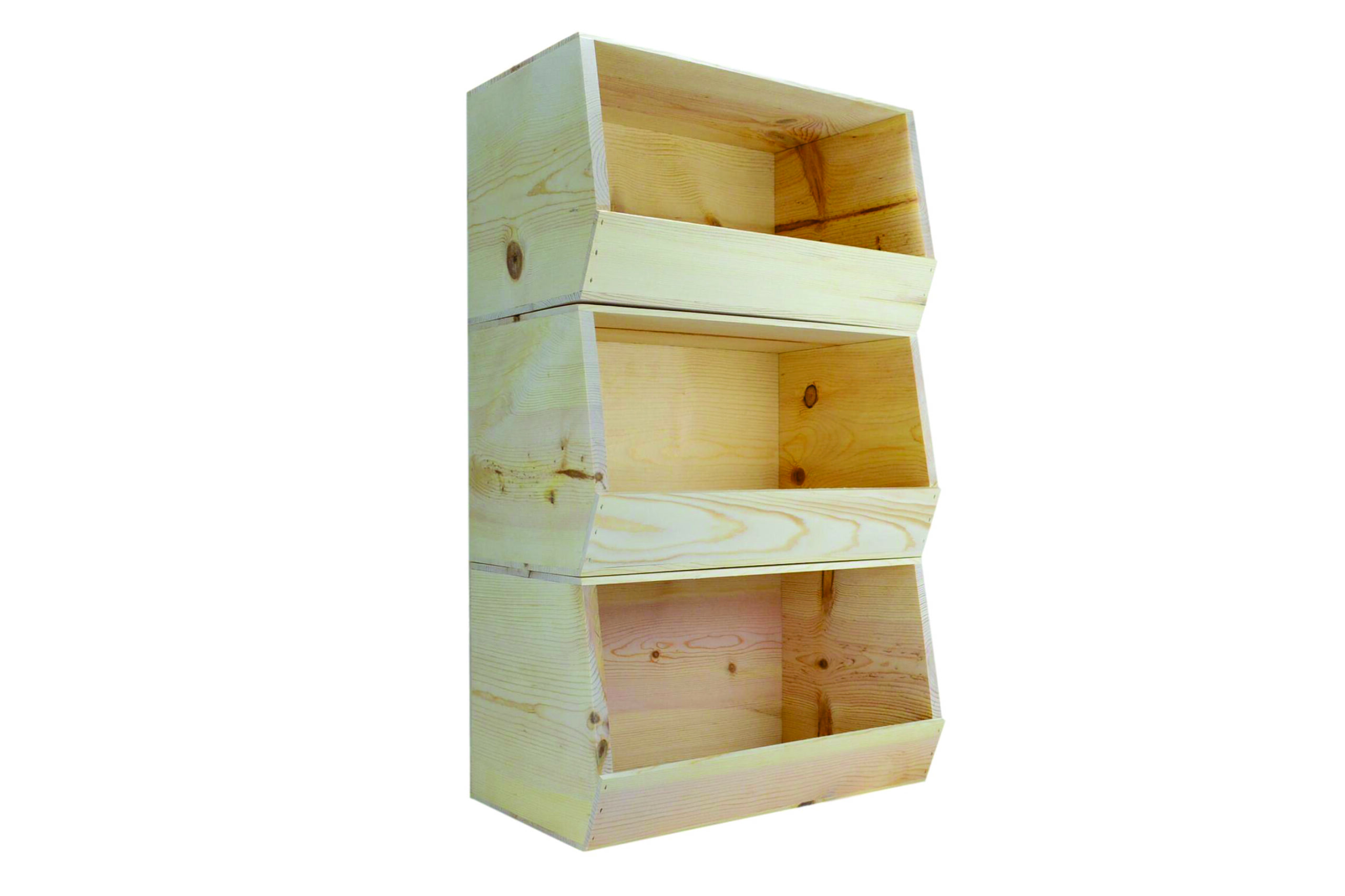
    Wooden Storage Bins with Personalization Options for Sale

    Wooden Storage Bins with Personalization Options for Sale

    Wooden Storage Bins with Personalization Options

    In the realm of home organization and decorative accents, wooden storage bins have emerged as a timeless and versatile solution. These charming containers not only provide a practical means of storing belongings but also add a touch of rustic elegance to any space. With the advent of personalization options, wooden storage bins have transcended their functional role and become cherished keepsakes that reflect individual style and taste.

    The Allure of Wooden Storage Bins

    The appeal of wooden storage bins lies in their inherent warmth, durability, and aesthetic appeal. Crafted from natural materials, these bins exude a sense of timelessness and sophistication. Their solid construction ensures longevity, while their versatility makes them suitable for a wide range of storage needs.

    Benefits of Wooden Storage Bins

    • Durability: Wood is a naturally strong and resilient material, making these bins ideal for storing heavy items.
    • Versatility: Wooden storage bins can be used for a variety of purposes, from storing toys and clothes to organizing craft supplies and books.
    • Aesthetic Appeal: Their rustic charm and natural beauty add a touch of warmth and character to any room.
    • Environmental Friendliness: Wood is a renewable resource, making these bins an eco-conscious choice.

    Personalization Options: Elevating Wooden Storage Bins to Keepsakes

    The ability to personalize wooden storage bins transforms them from simple storage solutions into cherished keepsakes. These unique touches add a personal element, making them ideal gifts for special occasions or as a way to celebrate individual achievements.

    Popular Personalization Techniques

    • Engraving: Laser engraving allows for precise and intricate designs to be etched onto the wood. Names, initials, dates, and special messages can be permanently inscribed, creating a lasting impression.
    • Painting: Hand-painted designs or custom artwork can be applied to the bins, adding a vibrant splash of color and personalization. This technique allows for creative freedom and unique expressions.
    • Decoupage: Applying decorative paper or fabric to the surface of the bin adds a unique texture and visual interest. This technique is ideal for incorporating favorite images, patterns, or quotes.
    • Monogramming: Adding initials or a monogram adds a touch of elegance and personalization to the bins. This option is especially popular for gifts and for use in a more formal setting.
    • Custom Labels: Creating personalized labels for the bins allows for easy organization and a decorative touch. These labels can be printed on paper, fabric, or even wood.

    Applications for Personalized Wooden Storage Bins

    The versatility of personalized wooden storage bins extends beyond their practical function. These containers can be incorporated into various aspects of life, adding a touch of charm and personalization to every occasion.

    Home Décor and Organization

    • Nursery: Personalized bins with a child's name or initials can store toys, blankets, and other essentials, adding a touch of whimsy to the space.
    • Playroom: Bins labeled with different categories like "blocks," "puzzles," or "art supplies" help organize toys and keep the room tidy.
    • Bedroom: Bins with monograms or decorative designs can be used to store clothes, accessories, and other personal items.
    • Bathroom: Bins with engraved labels can store towels, toiletries, and other bathroom essentials.
    • Living Room: Bins can be used to store remote controls, magazines, and other living room necessities.

    Gifts and Special Occasions

    • Birthdays: Personalized bins with a child's name or a special message can be a thoughtful and practical gift.
    • Weddings: Bins with the couple's names or wedding date can be used to store wedding photos, gifts, or other mementos.
    • Anniversaries: Bins engraved with a special message or a significant date can be a cherished keepsake for a couple's anniversary.
    • Graduation: Bins personalized with a graduate's name or a message of congratulations can be a meaningful and practical gift.
    • Housewarming: Personalized bins with a new homeowner's initials or a welcome message can be a warm and thoughtful gift.

    Business and Branding

    • Promotional Items: Personalized wooden storage bins with a company logo or slogan can be used as promotional giveaways or as part of a corporate gifting program.
    • Retail Displays: Bins can be used to display products or merchandise, adding a touch of rustic charm and elegance to retail environments.
    • Office Organization: Bins can be used to store files, supplies, and other office essentials, adding a personalized touch to the workspace.

    Conclusion

    Wooden storage bins with personalization options offer a perfect blend of practicality and aesthetic appeal. Their ability to enhance organizational efficiency while adding a touch of personal style makes them a valuable addition to any home, business, or special occasion. Whether used for home décor, as thoughtful gifts, or for branding purposes, these versatile containers provide a unique and lasting way to express individuality and create cherished keepsakes.

    Share:

    Tuesday, November 19, 2024

    Creative DIY Picture Frames for Home and Gifts

    Creative DIY Picture Frames for Home and Gifts

    Creative DIY Picture Frames for Home and Gifts

    Okay, let's be real - picture frames can get boring, right? Those basic, store-bought ones just don't have that special something. But what if I told you you could make picture frames that are not only unique and stylish, but also a breeze to create? That's where DIY picture frames come in, and let me tell you, the possibilities are endless!

    Not only will crafting your own picture frames save you some cash (because let's be honest, fancy frames can be pricey!), but it's a chance to unleash your inner artist and create something truly special. Whether you're sprucing up your home, giving a thoughtful handmade gift, or just looking for a fun project, DIY picture frames are the way to go.

    Getting Started: Gather Your Supplies

    Before diving headfirst into the world of DIY frames, it's good to have your materials ready. You'll need a few basics to get started. No need to go crazy, just pick a few that catch your eye:

    • The Foundation: You'll need a sturdy base for your picture. This could be a pre-made picture frame, or you can get crafty with materials like cardboard, wood, or even metal.
    • The Picture: Of course, you need the star of the show â€" your favorite photo! Choose a size that will fit nicely in your frame.
    • Adhesive: This is essential for attaching the picture to the frame. Think glue, double-sided tape, or even a little bit of fabric.
    • Decorative Materials: This is where you get to have fun! Pick materials that match your style, like fabric scraps, yarn, buttons, beads, ribbon, paper, paint, or anything else that sparks your creativity!
    • Tools: You'll need a few basic tools like scissors, a ruler, a pencil, and a hot glue gun (if you're working with more delicate materials).

    Easy & Stunning DIY Picture Frame Ideas

    Now, let's get into the fun part! Here are some easy and incredibly stylish DIY picture frame ideas that will make you want to grab your crafting supplies right away:

    1. Fabric-Covered Frames

    This is a classic for a reason! Simply cover a basic frame with your favorite fabric. You can choose patterns, textures, or even upcycle old clothes! Just use fabric glue or a staple gun to secure the fabric to the frame. This is a great way to add a touch of personality and color to your walls.

    2. Rope-Wrapped Frames

    For a rustic and charming look, wrap your frame with rope. It's a simple yet stunning idea! You can use natural twine or rope for a natural vibe, or go for a more colorful rope to match your decor. Just wrap the rope around the frame, securing it with a hot glue gun as you go. This technique is perfect for adding a little texture and warmth to your home.

    3. Painted Frames

    Sometimes, a simple paint job can totally transform a picture frame. Choose a color that complements your photo and decor. You can paint it solid, create stripes, or even try a geometric pattern. The options are endless!

    4. Decoupage Frames

    Decoupage is a fun and easy technique that involves gluing paper, fabric, or other materials onto a surface. For your picture frame, you can use paper napkins, magazines, or even printed photos. Simply coat the frame with decoupage glue, then carefully apply your chosen materials. Let it dry, and you'll have a unique and personalized frame.

    5. Upcycled Frames

    Get creative and repurpose old items into frames! Use an old windowpane, a vintage record, or even a piece of driftwood. Just secure your photo with adhesive and let your imagination run wild!

    DIY Picture Frame Tips & Tricks

    Okay, so you're ready to create your own masterpieces, but hold on! Here are a few handy tips to make your DIY picture frame journey smooth sailing:

    • Measure Twice, Cut Once: Before you start cutting any materials, make sure you've measured everything correctly. This will save you from any unwanted surprises!
    • Practice Makes Perfect: If you're new to DIY, start with a simple project. You can always get more ambitious later on. There are plenty of tutorials and resources available online to guide you through the process.
    • Add Your Personal Touch: The best DIY projects are the ones that reflect your style. Don't be afraid to experiment with different colors, textures, and materials. Remember, it's your creation, so make it unique!
    • Use Quality Materials: You'll get the best results if you use high-quality materials. This doesn't mean you have to spend a fortune. Just try to choose durable items that will last.
    • Have Fun!: DIY projects should be enjoyable, so don't get too stressed if things don't go perfectly. Relax, experiment, and have fun creating something beautiful!

    DIY Picture Frames as Gifts

    Alright, let's talk gifts! DIY picture frames make absolutely amazing, heartfelt presents. They show you put extra effort into the gift, and they're a fantastic way to showcase a special photo. Here are some gift ideas:

    • Personalized Frames: Add a special touch by incorporating the recipient's initials, favorite color, or a quote they love.
    • Matching Frames: Create a set of coordinating frames for a family portrait, a group of friends, or a collection of treasured memories.
    • Frames with a Theme: Choose a theme that reflects the recipient's hobbies or interests, like travel, music, or nature.

    With a little creativity and effort, you can create DIY picture frames that are both stunning and meaningful. So go ahead, unleash your inner artist and start crafting!

    Commonly Asked Questions

    1. What types of glue are best for DIY picture frames?

    For fabric, hot glue or fabric glue is your best bet. For wood or metal, you can use wood glue or even a strong epoxy adhesive.

    2. How do I hang my DIY picture frame?

    It depends on the material! Most frames can be hung with a picture hanger, which you can attach to the back of the frame. But if you're using a unique material, like a vintage record, you might need to get creative and use wire or string for hanging.

    3. Where can I find more DIY picture frame ideas?

    There are tons of resources available online! Check out websites like Pinterest, YouTube, and Etsy for inspiration and tutorials.

    Share:

    Monday, November 18, 2024

    Garden Birdhouses That Are Always in Demand

    Garden Birdhouses That Are Always in Demand

    Garden Birdhouses That Are Always in Demand

    Want to attract some feathered friends to your garden? Birdhouses are a great way to provide shelter and nesting space for birds, and they can also be a beautiful addition to your landscaping. But with so many different types of birdhouses available, it can be tough to know which ones are the most popular.

    That’s where this guide comes in! We'll explore the most sought-after birdhouses that people are constantly looking for, and why they're so popular. We'll delve into the reasons these styles are in high demand, and uncover the secrets to attracting your favorite birds to your garden.

    Birdhouses That Attract Specific Bird Species

    A lot of people are fascinated by certain birds and want to attract them to their yards. So, naturally, birdhouses designed for specific species are a big hit. Let's dive into a few examples.

    Bluebird Houses

    Bluebirds are known for their bright blue feathers and cheerful songs, making them a favorite among bird enthusiasts. They prefer open, grassy areas and will gladly nest in a well-constructed bluebird house. When building or purchasing a bluebird house, ensure:

    • The entrance hole is 1 1/2 inches in diameter.
    • The house is mounted 5-6 feet above the ground.
    • It's positioned in a sunny location with clear views of the surroundings.

    A well-placed bluebird house will attract these beautiful birds, adding a touch of vibrant color to your garden.

    Woodpecker Houses

    Woodpeckers are another popular bird species for birdhouse enthusiasts. These quirky birds are known for their drumming sounds and unique nesting habits. If you're looking to attract woodpeckers, you'll need a birdhouse that meets their specific needs.

    A woodpecker house should:

    • Have a larger entrance hole (1 1/2 to 2 inches in diameter).
    • Be made of sturdy wood (preferably untreated, as woodpeckers will peck at it).
    • Be mounted on a tree trunk, at least 10 feet off the ground.

    Woodpecker houses offer a unique charm and create an interesting addition to your garden, while also providing these fascinating birds with a safe and comfortable nesting site.

    Hummingbird Houses

    Hummingbirds, with their tiny size and incredible flight abilities, are a joy to watch. These energetic birds are attracted to nectar feeders and can be encouraged to nest in your garden with the help of a hummingbird house. Hummingbird houses are designed to offer a small, enclosed space for nesting and are usually made of wood or plastic.

    Here are some key features of a hummingbird house:

    • A small entrance hole (about 1 inch in diameter).
    • A sheltered location that is protected from wind and rain.
    • Placement in a sunny area with flowering plants nearby.

    Hummingbird houses are not only functional but also visually appealing, adding a touch of whimsy to any garden.

    Birdhouses That Offer Unique Designs and Functionality

    Besides species-specific designs, there are birdhouses that capture attention through their uniqueness, functionality, and beauty. Here are some examples that are often in high demand.

    Birdhouses with Decorative Elements

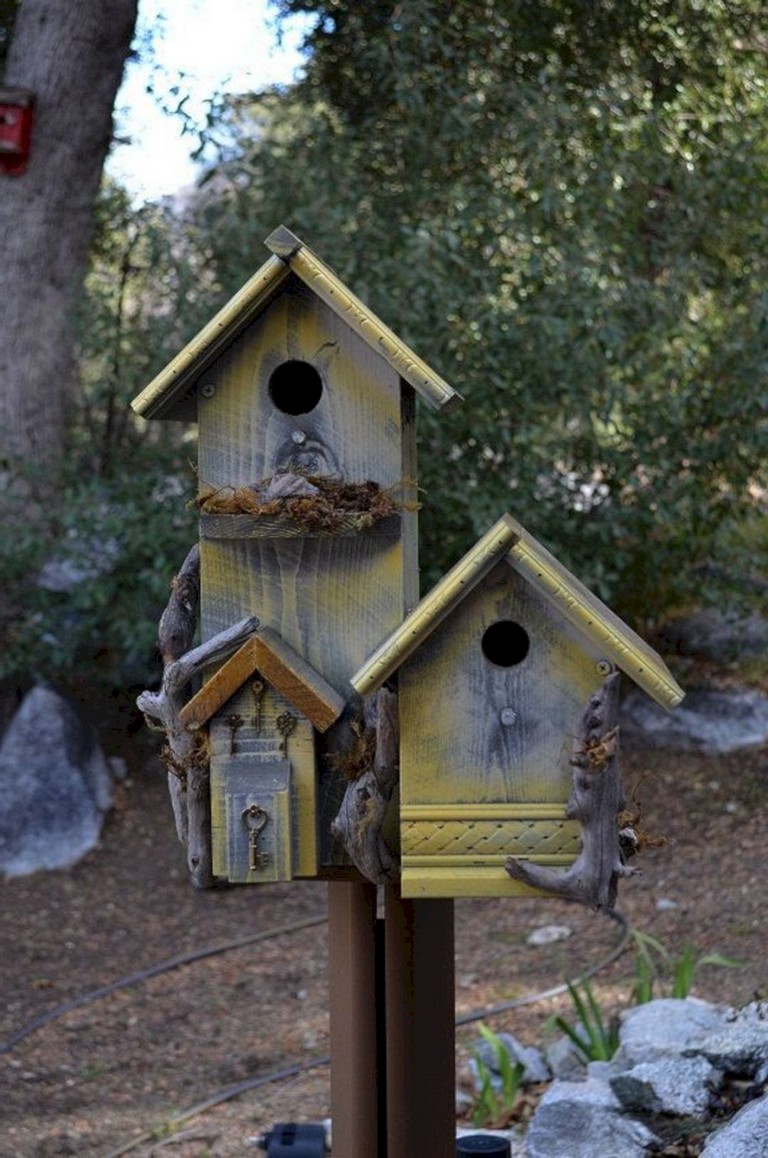
    Birdhouses that are also works of art are a favorite among those looking to add a touch of personality to their garden. These houses often feature intricate carvings, painted designs, or unique materials like recycled metal or repurposed wood.

    Birdhouses with decorative elements:

    • Can be customized to match your garden's style.
    • Offer a unique and personal touch to your landscape.
    • Can be a conversation starter and bring joy to both you and your feathered friends.

    Whether it's a whimsical gnome house or a rustic farmhouse style, a decorative birdhouse adds a unique and delightful element to your garden.

    Birdhouses with Multiple Compartments

    Birdhouses with multiple compartments are ideal for attracting a variety of birds. These houses can have separate nesting cavities for different species, offering more options for your feathered friends.

    Here's why multi-compartment birdhouses are popular:

    • They allow different birds to coexist peacefully.
    • They provide more nesting options, increasing the chances of attracting a diverse range of birds.
    • They can be a visually appealing addition to your garden, with their unique and practical design.

    By offering a variety of nesting spaces, these birdhouses cater to the needs of different species and create a bustling haven for birds in your garden.

    Birdhouses with Observation Features

    Some birdhouses are designed with features that allow you to observe the birds nesting inside. These can include clear windows or removable panels that give you a glimpse into the birds' lives.

    Here's why birdhouses with observation features are a hit:

    • They offer a fascinating window into the birds' nesting behavior.
    • They allow you to observe the birds' growth and development without disturbing them.
    • They can be a fun and educational experience for kids and adults alike.

    Observing birds in their natural habitat can be a truly rewarding experience, and birdhouses with observation features make it possible to enjoy this connection without disturbing the birds.

    Tips for Choosing the Right Birdhouse

    With so many birdhouses to choose from, it's important to consider a few key factors before making your purchase.

    • Bird Species: What types of birds do you want to attract? Different birds prefer different size birdhouses with different entrance hole sizes.
    • Material: Wood is the most common material for birdhouses, but you can also find them made from plastic, metal, or even recycled materials.
    • Location: Consider the location of your birdhouse and choose one that is protected from the elements and predators.
    • Maintenance: Choose a birdhouse that is easy to clean and maintain. Make sure the roof is easy to remove for cleaning and that the entrance hole is large enough to allow for easy access for you.

    Beyond Birdhouses: Other Garden Features for Bird Attraction

    Birdhouses are a great start, but there are other things you can do to make your garden more inviting for birds. These include:

    • Planting Native Plants: Birds love native plants for food and shelter. Plant a variety of flowers, shrubs, and trees that provide natural food sources and nesting sites.
    • Providing a Water Source: Birds need a reliable source of fresh water for drinking and bathing. Set up a birdbath or a small pond in your garden.
    • Offering Supplemental Food: In the winter months, you can supplement the birds' natural food sources by providing seed feeders and suet feeders.
    • Creating a Safe Habitat: Protect your garden from cats and other predators by keeping your pets inside or supervised, using bird-friendly fencing, and avoiding the use of pesticides and herbicides.

    Commonly Asked Questions

    When is the best time to put up a birdhouse?

    The best time to put up a birdhouse is in the late fall or early winter, before the birds start nesting in the spring. This gives the birds time to find and get accustomed to their new home before breeding season begins.

    How often should I clean a birdhouse?

    It's a good idea to clean your birdhouse at least once a year, preferably in the fall after the nesting season ends. This will help to prevent the spread of disease and parasites.

    What if no birds move in?

    Don't worry if no birds move into your birdhouse right away. It may take some time for the birds to find it. Be patient and continue to make your garden a bird-friendly habitat.

    Now you're equipped with the knowledge to choose and install the most sought-after birdhouses. Remember, providing a safe and comfortable nesting site is essential to attract and sustain birds in your garden. By understanding the preferences of different bird species and incorporating unique designs and features, you can create a vibrant and thriving bird sanctuary in your own backyard!

    Share:

    Wednesday, November 13, 2024

    How to Make a Wooden Candle Holder with Multiple Holders for a Stunning Display

    How to Make a Wooden Candle Holder with Multiple Holders for a Stunning Display

    Craft a Stunning Candle Display with a Multi-Holder Wooden Candle Stand

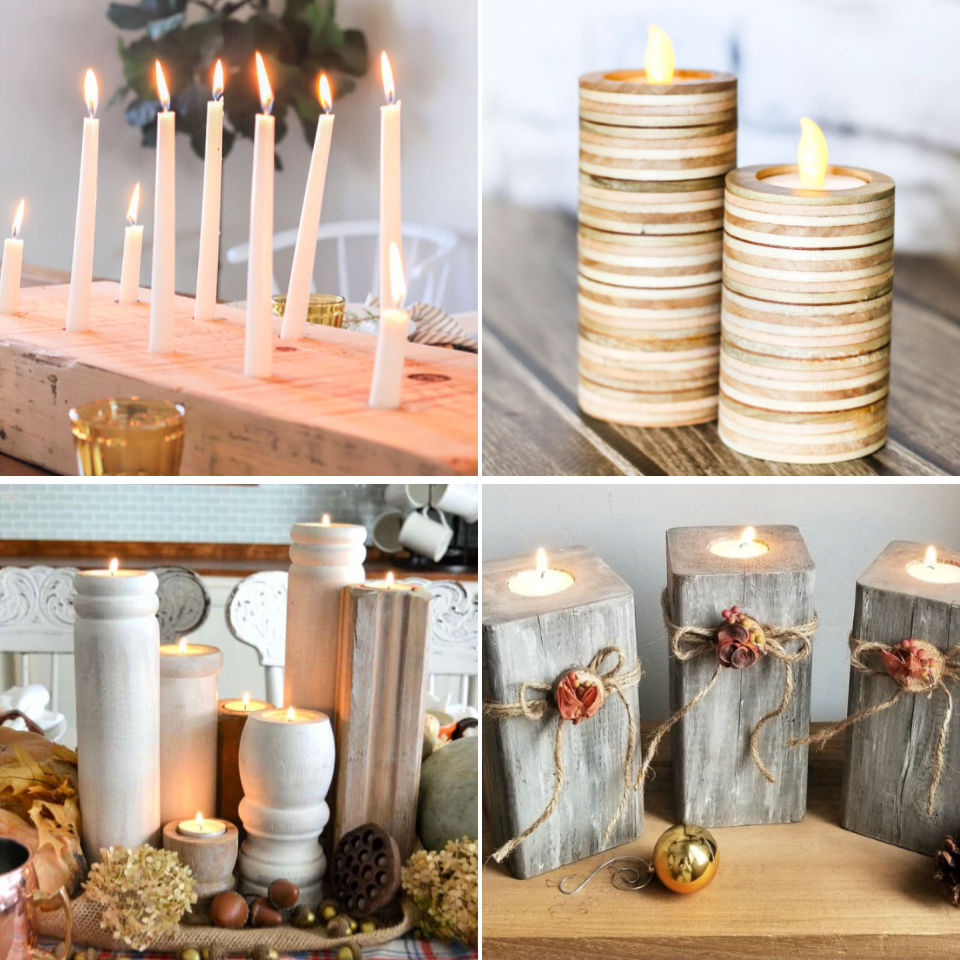
    Elevate your home décor with a captivating centerpiece â€" a multi-holder wooden candle stand. This DIY project allows you to unleash your creativity and design a unique piece that perfectly complements your style. Whether you prefer a rustic charm or a modern aesthetic, this guide will walk you through the process, step by step, to create a stunning candle display.

    Gathering Your Supplies

    Before you begin, gather the necessary materials. You'll need:

    • Wooden board (thickness depends on the size of your candles and the desired height of the stand)
    • Drill with various drill bits (including a bit slightly larger than your candle diameter)
    • Sandpaper (various grits)
    • Wood glue
    • Wood stain or paint (optional)
    • Clear sealant (optional)
    • Candles (choose your preferred size and style)
    • Measuring tape
    • Pencil
    • Safety glasses
    • Dust mask

    Designing Your Candle Stand

    Visualize the layout of your candle stand. Consider the size of your candles, the desired number of holders, and the overall aesthetic you're aiming for. Sketch a simple design on paper to guide your work.

    Determining the Placement of Candle Holders

    Use your measuring tape and pencil to mark the exact locations for your candle holders on the wooden board. Ensure the spacing between each holder allows for sufficient air circulation and prevents overheating. You can experiment with different patterns â€" a symmetrical arrangement for a classic look or an asymmetrical design for a contemporary vibe.

    Creating the Candle Holders

    With the locations marked, use your drill to create holes for each candle. The holes should be slightly larger than the diameter of your candles to ensure a secure fit. To prevent splintering, use a drill bit that's slightly smaller than the final desired hole size and gradually increase the size until it's just big enough for your candles.

    Assembling and Finishing Your Stand

    Once the candle holders are drilled, sand the wooden board to smooth out any rough edges. Use sandpaper of varying grits, starting with a coarser grit to remove any imperfections and finishing with a finer grit for a smooth finish. You can choose to leave the wood in its natural state or enhance its look by applying a wood stain or paint. Apply a clear sealant to protect the wood and enhance its durability.

    Adding Your Personal Touch

    To personalize your candle stand further, consider adding decorative elements. You can create a rustic feel by adding reclaimed wood pieces, rustic metal accents, or even natural elements like moss or stones. For a contemporary vibe, opt for sleek metal pieces, glass accents, or geometric shapes. Let your imagination run wild and create a unique piece that reflects your style.

    Lighting Your Candle Stand

    With your wooden candle stand complete, it's time to enjoy its beauty. Place your chosen candles in the holders and light them up. The warm glow of the candles will beautifully illuminate the surrounding space and create a cozy and inviting atmosphere. Remember to exercise caution and always place the stand on a stable surface, away from flammable materials.

    Creating a multi-holder wooden candle stand is a rewarding DIY project that allows you to personalize your décor and create a stunning centerpiece. Let your creativity guide you and enjoy the process of crafting a unique and beautiful piece that will enhance the ambiance of your home.

    Share:

    Inlaid Jewelry Box: A Decorative and Impressive Woodworking Gift

    Inlaid Jewelry Box: A Decorative and Impressive Woodworking Gift

    Inlaid Jewelry Box: A Decorative and Impressive Woodworking Gift

    An inlaid jewelry box is a beautiful and practical gift that is sure to be cherished for years to come. It is a perfect way to show someone you care, and it can be customized to reflect their unique personality and style. Inlaid jewelry boxes are also a great way to showcase your woodworking skills and creativity.

    The process of creating an inlaid jewelry box is a rewarding one. It requires patience, precision, and a keen eye for detail. But the end result is well worth the effort. A beautifully inlaid jewelry box is a work of art that will be admired by all who see it.

    The History of Inlay Work

    Inlay work has been practiced for centuries. Some of the earliest examples of inlay can be found in ancient Egypt, where woodworkers used ivory, bone, and precious stones to create intricate designs. Inlay work was also popular in ancient Greece and Rome, where it was used to decorate furniture, chests, and other objects.

    During the Renaissance, inlay work experienced a resurgence in popularity. Italian craftsmen used a variety of materials, including wood, ivory, bone, and mother-of-pearl, to create elaborate and highly detailed designs. This period saw the development of several new inlay techniques, including intarsia, which is a type of inlay work that uses different types of wood to create a three-dimensional effect.

    In the 17th and 18th centuries, inlay work continued to be popular in Europe. The French were particularly known for their expertise in marquetry, a type of inlay work that uses thin veneers of wood to create intricate patterns. English woodworkers also excelled in inlay work, using a variety of materials to create elaborate designs.

    In the 19th century, inlay work declined in popularity as new manufacturing techniques and materials emerged. However, it has experienced a revival in recent years, as more people appreciate the beauty and craftsmanship of handcrafted items.

    The Process of Inlaying a Jewelry Box

    The process of creating an inlaid jewelry box is both complex and rewarding. It involves a number of steps, from selecting the wood to finishing the box.

    Selecting the Wood

    The first step is to select the wood for the box. There are many different types of wood that can be used for inlay work, but some of the most popular choices include:

    • Maple: Maple is a hard, strong wood that is known for its beautiful grain. It is often used for inlay work because it takes a high polish and can be stained to a variety of colors.
    • Cherry: Cherry is a reddish-brown wood that is known for its warm color and beautiful grain. It is also a relatively soft wood, which makes it easier to work with.
    • Walnut: Walnut is a dark brown wood that is known for its rich color and beautiful grain. It is a strong and durable wood that is often used for furniture making.
    • Oak: Oak is a strong and durable wood that is known for its distinctive grain. It is often used for flooring, furniture, and other structural applications.

    When selecting wood for inlay work, it is important to choose wood that is free from knots, cracks, and other defects. It is also important to choose wood that has been properly seasoned, meaning that it has been allowed to dry to a certain moisture content.

    Cutting the Inlays

    Once the wood has been selected, the next step is to cut the inlays. Inlay work can be done using a variety of tools, including hand saws, jigsaws, and band saws.

    Hand saws are often used for cutting small, intricate inlays. Jigsaws are used for cutting more complex shapes, and band saws are used for cutting larger pieces of wood. No matter the method, the key to success is to cut the inlays with precision and accuracy.

    Assembling the Box

    Once the inlays have been cut, the next step is to assemble the box. This is done by gluing the inlays to the wood base of the box. The inlays should be glued in place with a strong wood glue and clamped until the glue dries.

    Once the glue has dried, the box can be sanded and finished. It is important to sand the box carefully to remove any imperfections and to create a smooth surface.

    Finishing the Box

    The final step in creating an inlaid jewelry box is to finish it. This can be done by applying a variety of finishes, including oil, wax, or lacquer. Oil finishes are often used to enhance the natural beauty of the wood, while wax finishes provide a protective layer that helps to prevent scratches and stains. Lacquer finishes are often used to create a hard, durable surface.

    The finishing process is an important one, as it will determine the final look and feel of the box. It is important to apply the finish evenly and carefully to achieve the desired results.

    Tips for Creating an Inlaid Jewelry Box

    Creating an inlaid jewelry box can be a challenging project, but it is also a rewarding one. Here are a few tips that can help you create a beautiful and impressive box:

    • Start with a Simple Design: If you are new to inlay work, it is best to start with a simple design. There are many simple designs that can be found online or in woodworking books.
    • Use High-Quality Materials: Using high-quality materials will help to ensure that your inlaid jewelry box is durable and beautiful. Invest in good quality wood, glue, and finishing materials.
    • Take Your Time: Inlay work is a time-consuming process, so it is important to take your time and work carefully. Don't rush the process.
    • Practice Makes Perfect: Practice cutting and assembling inlays before you start work on your jewelry box. This will help you to develop the skills and confidence you need to create a beautiful and impressive box.
    • Be Creative: Inlay work is a great way to express your creativity. Don't be afraid to experiment with different designs and materials.

    In Conclusion

    An inlaid jewelry box is a beautiful and practical gift that is sure to be cherished for years to come. It is a testament to the skill and craftsmanship of the woodworker and a reflection of the unique personality and style of the recipient. Creating an inlaid jewelry box is a rewarding and enjoyable process that allows you to express your creativity and to create a truly special gift.

    Share:

    Tuesday, November 12, 2024

    Repurpose Pallets into a Practical Firewood Storage Solution

    Repurpose Pallets into a Practical Firewood Storage Solution

    Repurpose Pallets into a Practical Firewood Storage Solution

    Are you looking for a stylish and practical way to store your firewood? Look no further than repurposed pallets! These sturdy wooden platforms are readily available and offer a cost-effective solution for organizing your fuel source. Not only will you create a functional storage unit, but you'll also be contributing to a more sustainable lifestyle by giving these materials a second life.

    Getting Started: Gather Your Supplies

    Before embarking on this project, gather the necessary materials. You will need:

    • One or more wooden pallets
    • A saw
    • A hammer
    • Screws or nails
    • Sandpaper (optional)
    • Paint or stain (optional)

    Once you have your supplies, it's time to start constructing your firewood rack. You can choose to use a single pallet or combine multiple pallets to create a larger storage unit.

    Designing Your Firewood Rack

    Consider how you want to store your firewood. Do you want to stack it vertically or horizontally? Do you have a specific size in mind? Let your needs dictate the design of your firewood rack. For example, if you want a vertical storage solution, you can simply detach the bottom slats of the pallet and create an open structure for the firewood to rest on. Alternatively, you can add a back panel to the pallet by cutting additional slats and attaching them to the existing frame. This creates a more enclosed rack that is ideal for storing small pieces of wood.

    Adding Flair: Personalizing Your Firewood Rack

    To make your firewood rack truly unique, consider sanding down the pallet to give it a smooth finish or painting it in a color that complements your outdoor decor. You can even use stencils to add decorative elements like leaves or flames. Let your creativity run wild!

    Assembly: Putting It All Together

    Once you have your design in place, it's time to assemble your firewood rack. Use the saw to cut any necessary slats for the back panel or other structural components. Use the hammer to secure the slats to the pallet using screws or nails. Remember to use safety goggles when sawing and hammering.

    Placement: Finding the Perfect Spot

    When choosing a location for your firewood rack, consider factors such as drainage, sunlight exposure, and proximity to your fireplace or wood stove. Place the rack on a level surface and ensure that it is stable and secure.

    Enjoying Your Firewood Rack

    Congratulations! You now have a stylish and practical firewood rack that will keep your fuel source organized and ready for use. You can proudly display your handy work in your backyard or patio, and enjoy the warmth and ambiance of a crackling fire. Remember, repurposing pallets not only adds a rustic touch to your outdoor space, but also promotes sustainability by reducing waste and reusing materials.

    Share:

    Step-by-Step Guide to Cold Frame Creation

    Step-by-Step Guide to Cold Frame Creation

    Step-by-Step Guide to Cold Frame Creation

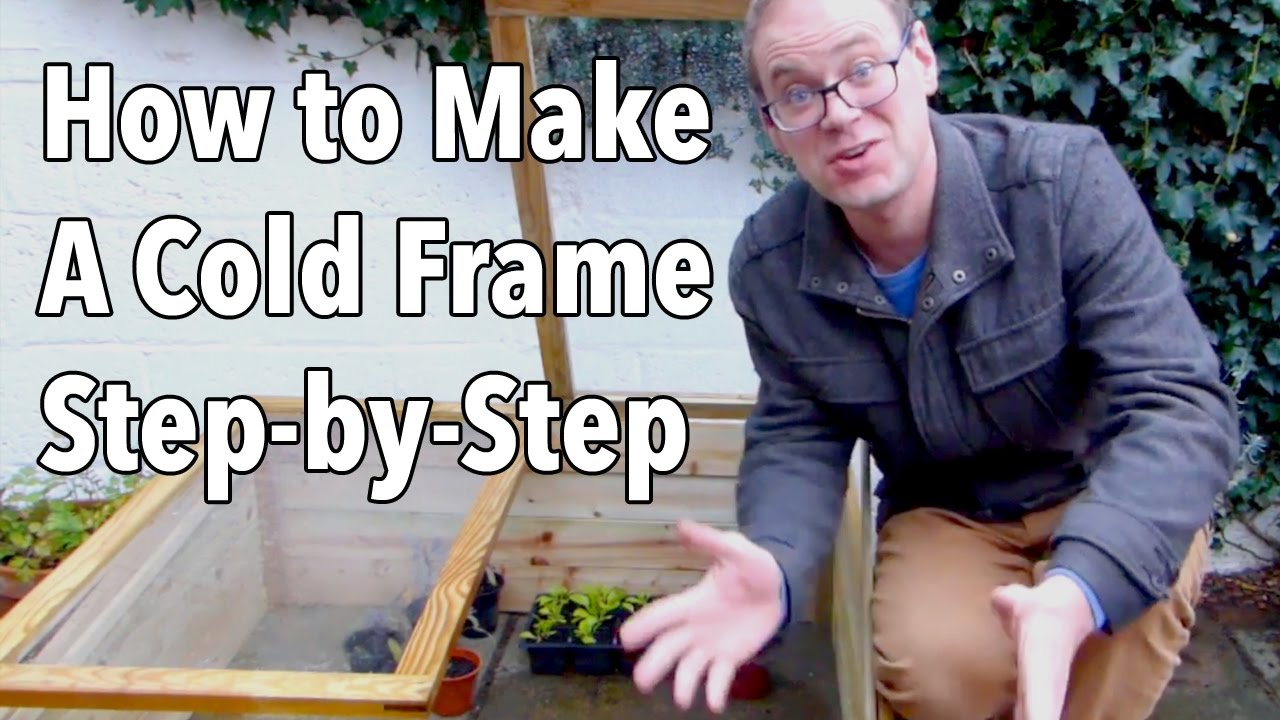
    A cold frame is a simple and cost-effective structure that can extend your gardening season and provide a safe haven for tender seedlings. This guide will walk you through the process of building your own cold frame, covering everything from materials to construction techniques.

    Understanding Cold Frames

    A cold frame is essentially a miniature greenhouse that uses the sun's warmth and the insulating properties of its materials to create a microclimate that is warmer than the surrounding air. It is a perfect tool for:

    • Starting seeds early in the spring
    • Hardening off seedlings before transplanting them outdoors
    • Extending the growing season for cool-season crops in the fall
    • Overwintering certain plants

    Choosing the Right Location

    The success of your cold frame depends heavily on its location. Choose a spot that meets the following criteria:

    • Full sun exposure: Cold frames rely on sunlight for warmth. A south-facing location is ideal.
    • Well-drained soil: Avoid areas prone to waterlogging, which can damage roots and create fungal problems.
    • Protection from wind: A sheltered location will minimize heat loss and prevent damage to delicate seedlings.
    • Accessibility: Choose a spot that allows you to easily access the cold frame for watering, weeding, and harvesting.

    Materials and Tools

    The materials for building a cold frame can be as simple or as elaborate as you desire. Here's a list of basic materials you'll need:

    • Base:
      • Wood (pressure-treated lumber for longevity)
      • Concrete blocks
      • Brick
    • Frame:
      • Wood (2x4s or 2x6s)
      • Metal (galvanized steel or aluminum)
    • Covering:
      • Glass panes (recommended for optimal light transmission)
      • Polycarbonate sheets (durable and less breakable than glass)
      • Heavy-duty plastic sheeting (affordable but may require frequent replacement)
    • Hinges and latch: To secure the cover and allow for ventilation
    • Screws, nails, and sealant:

    In addition to materials, you'll need basic tools:

    • Saw
    • Drill
    • Screwdriver
    • Measuring tape
    • Level
    • Hammer

    Construction Steps

    Follow these steps to build your cold frame:

    1. Build the Base

    The base should be level and sturdy to support the weight of the frame and covering. Consider:

    • Wood Base: Construct a rectangular frame out of pressure-treated lumber, ensuring the corners are square. This is a good option for both freestanding and in-ground cold frames.
    • Concrete Block Base: Use concrete blocks to create a raised base. Lay the blocks in a rectangular shape, making sure they are level.
    • Brick Base: Similar to concrete blocks, bricks can be used to create a raised base. For a more durable base, lay the bricks in a mortar bed.

    2. Build the Frame

    The frame should be taller than the base and angled slightly forward for drainage. Build a rectangular frame using wood or metal, depending on your chosen material:

    • Wood Frame: Cut the wood to the desired length and width of your cold frame. Attach the pieces together at the corners using screws or nails. For a more rigid frame, you can add bracing in the center. Angle the top of the frame slightly forward for drainage.
    • Metal Frame: Metal frames can be built with pre-cut metal pieces or by cutting metal tubing or angle iron to size. Secure the metal pieces together using screws or rivets.

    3. Attach the Cover

    Choose your preferred covering based on your budget and desired light transmission:

    • Glass: Cut glass panes to the size of the frame. Attach the glass with glazing points or silicone sealant. Use caution when handling glass, as it can be fragile.
    • Polycarbonate Sheets: These sheets are readily available and are more durable than glass. Cut the sheets to size and attach them to the frame with screws or clips.
    • Heavy-Duty Plastic Sheeting: Stretch the plastic over the frame and secure it in place with staples or clamps. Plastic sheeting is the least expensive option, but it may need to be replaced more often.

    Add hinges and a latch to the cover to secure it and allow for ventilation.

    4. Install and Prepare for Use

    Place the frame on the base, ensuring it is level. Secure the frame to the base if necessary. Fill the interior with potting soil or your preferred growing medium. You can then sow seeds or transplant seedlings.

    Using Your Cold Frame

    Once your cold frame is built, you can start using it to extend your gardening season. Here are some tips for maximizing its use:

    • Ventilation: Open the cover on sunny days to allow for air circulation. Close the cover at night to trap heat.
    • Watering: Water the plants regularly, especially during dry spells. Avoid overwatering, which can lead to root rot.
    • Light: Ensure your cold frame is positioned in a sunny location to maximize light exposure. If necessary, provide supplemental lighting during short winter days.
    • Temperature Monitoring: Use a thermometer to monitor the temperature inside the cold frame. Adjust the cover as needed to maintain an optimal temperature range.
    • Pest Control: Monitor your plants for pests and diseases. Use appropriate methods to control any infestations.

    Additional Considerations

    Here are some additional factors to consider when building or using a cold frame:

    • Insulation: Adding insulation to the base and walls of your cold frame can help to retain heat. You can use materials like straw, hay, or foam insulation.
    • Size: Choose a size that is appropriate for your needs. Smaller cold frames are easier to build and manage, but larger cold frames can accommodate more plants.
    • Style: Cold frames come in various styles, including freestanding, in-ground, and wall-mounted. Choose a style that best suits your needs and space.

    Conclusion

    Building a cold frame is a rewarding project that can enhance your gardening experience. By providing a warm and protected environment for your plants, you can extend your growing season and enjoy fresh produce for longer. With proper planning, construction, and maintenance, your cold frame can become an invaluable tool for your garden.

    Share:

    How to Make a Cold Frame with Minimal Tools

    How to Make a Cold Frame with Minimal Tools

    Build a Cold Frame with Minimal Tools

    Imagine extending your gardening season by weeks or even months, all while using readily available materials and basic tools. It's possible with a cold frame, a simple, inexpensive structure that provides a protected environment for seedlings and young plants. Even better, you can build one yourself with minimal effort and tools!

    Choosing Your Materials

    The beauty of a cold frame is its simplicity. You can build one using materials you might already have or readily find at a local hardware store or thrift store. Here are some common options:

    The Base

    • Wood: Old pallets, scrap lumber, or even sturdy cardboard can create a solid base.
    • Bricks or Stones: These can form the foundation of a more permanent cold frame.
    • Metal: An old window frame or a discarded metal storage bin can be repurposed as a base.

    The Cover

    • Glass: Window panes, old storm windows, or even an old picture frame with glass are excellent choices.
    • Plastic: Clear plastic sheeting or an old greenhouse window can provide a budget-friendly cover.
    • Acrylic: This offers greater durability than plastic or glass.

    Building Your Cold Frame

    The construction process is as straightforward as the materials. You'll primarily be focusing on creating a sturdy base and attaching a transparent cover. Let's break it down:

    Creating the Base

    1. Choose your location: Select a sunny spot with good drainage.
    2. Assemble the base: If using wood, secure the pieces together using screws or nails. If using bricks or stones, create a rectangular shape, making sure the foundation is level.
    3. Adjust for drainage: If using wood, raise the base a few inches off the ground to prevent waterlogging.

    Attaching the Cover

    1. Measure and Cut: Determine the size of your cover and cut the glass, plastic, or acrylic to fit the base.
    2. Secure the Cover: Use hinges to attach the cover to the base, allowing for easy opening and closing.
    3. Add Ventilation: Include small openings or vents to allow for air circulation and temperature regulation.

    Using Your Cold Frame

    Once your cold frame is built, it's time to fill it with life!

    1. Fill with Soil: Use a good quality potting mix or garden soil.
    2. Plant Your Seedlings: Choose plants that thrive in cooler conditions, such as lettuce, spinach, kale, or even early-season tomatoes and peppers.
    3. Monitor Moisture: Keep the soil consistently moist, watering as needed.
    4. Protect from Extreme Temperatures: During harsh winter conditions, you may need to cover your cold frame with additional insulation to prevent freezing.

    With just a few basic materials and a little effort, you'll be enjoying the benefits of a homemade cold frame in no time. So get creative, experiment, and watch your garden flourish!

    Share:

    Customizable Squirrel Box Plans for Outdoor Spaces

    Customizable Squirrel Box Plans for Outdoor Spaces

    Customizable Squirrel Box Plans for Outdoor Spaces

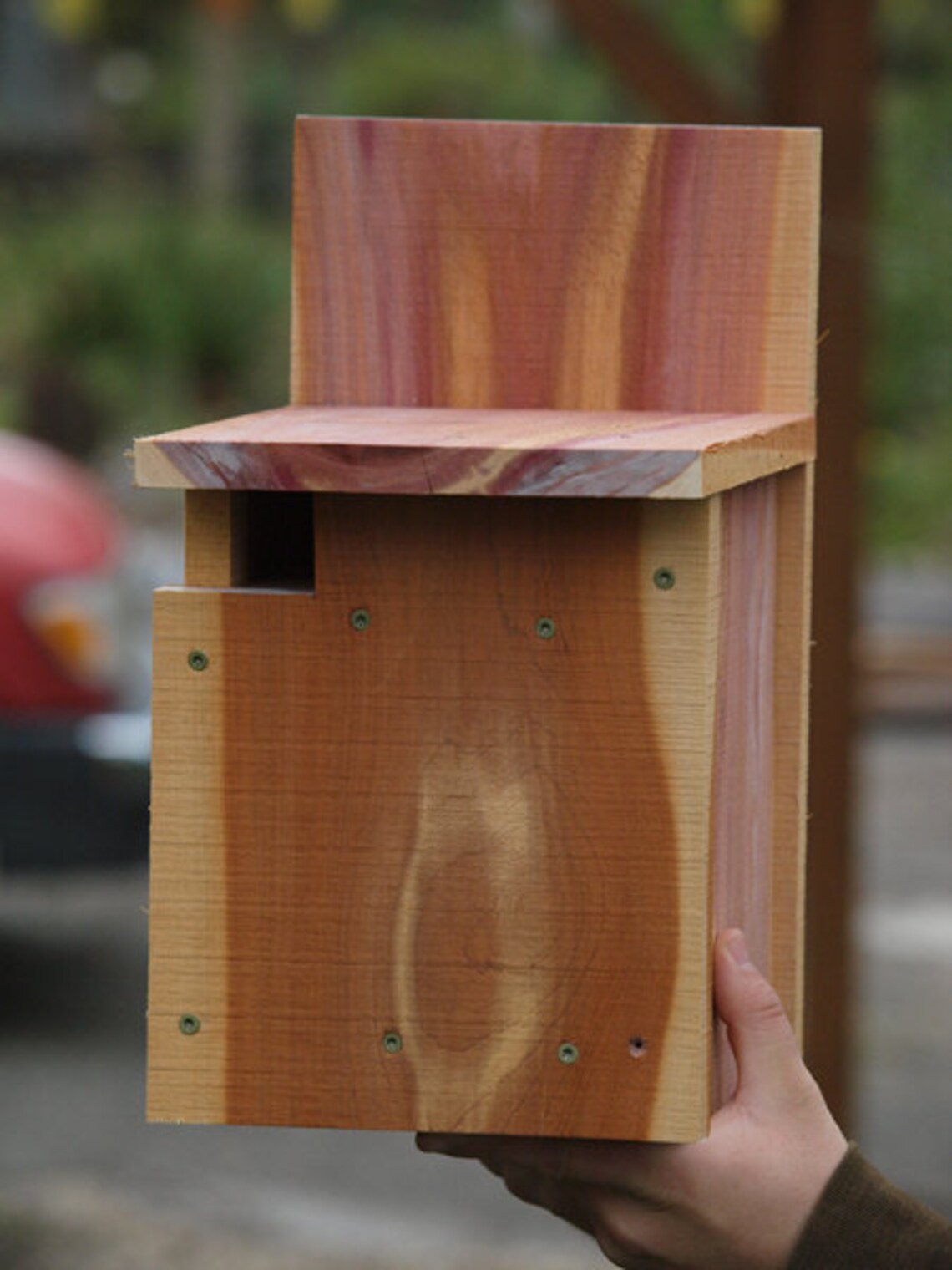
    Squirrel boxes, often referred to as squirrel feeders or squirrel houses, offer a unique opportunity to attract these charming creatures to your outdoor space. These structures provide shelter, nesting sites, and a source of food, enhancing the biodiversity of your garden or yard. While commercially available squirrel boxes exist, crafting your own presents a rewarding DIY project that allows for customization to suit your specific needs and aesthetic preferences. This guide provides comprehensive plans and insights into constructing personalized squirrel boxes that seamlessly integrate into your outdoor environment.

    Materials for Your Squirrel Box

    The materials used for constructing your squirrel box play a crucial role in its durability, aesthetics, and suitability for your local climate. Here's a breakdown of essential components:

    Wood

    • Cedar or Redwood: These durable and naturally rot-resistant woods are ideal for outdoor applications. They possess inherent oils that protect against moisture and decay, ensuring longevity for your squirrel box.
    • Pressure-Treated Pine: A cost-effective alternative to cedar and redwood, pressure-treated pine provides ample resistance to rot and moisture. However, exercise caution when working with treated wood, as it may contain chemicals.
    • Other Hardwood Species: Oak, maple, and cherry are suitable options for squirrel boxes, but they require proper finishing to withstand the elements.

    Hardware

    • Screws: Choose screws designed for outdoor use, preferably made of stainless steel or galvanized steel to resist rusting. Wood screws with a countersinking design are ideal for a clean finish.
    • Hinges: If you're creating a box with an opening door, select durable hinges that allow for smooth and secure closure. Galvanized steel hinges offer excellent resistance to corrosion.
    • Wire Mesh: For ventilation and protection from predators, use a fine-gauge wire mesh with openings small enough to prevent squirrel escape but large enough for air circulation. Hardware cloth or galvanized wire mesh are suitable choices.
    • Nails: While screws are preferred for their holding strength, nails can also be used for attaching certain elements. Use galvanized nails or stainless steel nails for durability.

    Other Supplies

    • Wood Glue: Use a high-quality wood glue to strengthen joints and prevent wood movement. Choose a glue designed for outdoor applications.
    • Finishing Materials: To enhance the appearance and protect your squirrel box from the elements, consider applying a water-resistant sealant, paint, or stain. Choose products specifically designed for outdoor wood.
    • Protective Gloves: Wear gloves while handling wood, especially treated wood, to protect your skin from potential chemicals or splinters.
    • Safety Glasses: Protect your eyes from flying debris when cutting and sanding wood.

    Design Considerations

    The design of your squirrel box is crucial for its functionality and aesthetics. Consider these factors:

    Size

    • Dimensions: A standard squirrel box is approximately 12 inches wide, 12 inches deep, and 18 inches tall. However, adjust these dimensions based on the size of your local squirrel population.
    • Entry Hole: The entry hole should be large enough for squirrels to enter easily but small enough to discourage larger predators. A 3-inch to 4-inch diameter hole is generally suitable.
    • Floor Space: Ensure sufficient floor space for the squirrels to turn around and nest comfortably. A minimum of 100 square inches is recommended.

    Placement

    • Location: Choose a location that provides shade from direct sunlight and protection from harsh winds. Mount the box on a tree trunk or a sturdy post at a height of 6-10 feet.
    • Accessibility: Ensure the box is easily accessible for maintenance and cleaning. Consider a location that allows for safe access without disturbing the squirrels.
    • Surrounding Environment: Place the box in a quiet area away from excessive foot traffic or noisy machinery. Avoid placing it near potential hazards like power lines or busy roads.

    Additional Features

    • Perch: A perch outside the entrance allows squirrels to land safely before entering the box. It can be a simple piece of wood attached to the front of the box.
    • Roof Overhang: An overhang on the roof helps shield the entrance from rain and snow.
    • Ventilation: Add ventilation holes to the sides or back of the box to ensure proper airflow and prevent moisture buildup.
    • Cleaning Access: Include a removable or hinged panel for cleaning and maintenance. This allows for easy access to the interior of the box.

    Construction Steps

    Once you've gathered your materials and determined the design, follow these steps to build your squirrel box:

    Cut the Wood

    • Cut the wood pieces according to your chosen dimensions. Use a saw to create precise cuts for the walls, floor, roof, and entrance panel.
    • Sand the edges of the wood to smooth out any rough spots and prevent splinters.
    • Drill pilot holes for screws to prevent wood splitting during assembly.

    Assemble the Walls and Floor

    • Join the four walls together using wood glue and screws. Make sure the joints are flush and secure.
    • Attach the floor to the base of the walls. Use screws and glue to create a solid foundation.

    Create the Entrance

    • Cut a circle in the front panel for the entrance hole. Use a jigsaw or a drill with a hole saw attachment.
    • Add a perch outside the entrance, if desired, using screws or glue.

    Attach the Roof

    • Cut the roof pieces according to the chosen design. A simple gable roof can be created using two angled pieces of wood.
    • Attach the roof to the walls using screws. If desired, create a slight overhang for additional weather protection.
    • Secure the roof panels to the walls with screws or nails. Ensure the roof is securely fastened.

    Install the Ventilation

    • Cut out ventilation holes in the sides or back of the box, using wire mesh to prevent squirrels from escaping.
    • Attach the wire mesh to the holes using screws or nails.

    Finish and Mount

    • Apply a sealant, paint, or stain to the exterior of the box to protect it from weather and insects.
    • Mount the box on a tree trunk or a sturdy post, ensuring a secure attachment at a suitable height.

    Maintenance and Cleaning

    To ensure your squirrel box remains a safe and welcoming home for its occupants, regular maintenance and cleaning are essential. Follow these steps:

    • Regular Inspections: Check the box periodically for signs of damage, decay, or infestation. Replace any damaged parts promptly.
    • Cleaning: Clean the box thoroughly once or twice a year, especially during spring and fall. Remove any old nesting material, debris, or parasites. Use a mild disinfectant and water for cleaning. Allow the box to dry completely before reassembling.
    • Repair: If you notice any cracks, loose screws, or other damage, repair them as soon as possible. Use appropriate materials and techniques to ensure the box remains sturdy.

    Conclusion

    Building your own customizable squirrel box is a rewarding experience that enriches your outdoor space and attracts these delightful creatures. By following the steps outlined in this guide, you can craft a durable, attractive, and functional squirrel box that enhances the biodiversity of your garden or yard. Remember to choose high-quality materials, design the box with careful consideration, and maintain it regularly to ensure its longevity and provide a comfortable haven for your resident squirrels.

    Share:

    How to Download Squirrel Den Box PDF Plans

    How to Download Squirrel Den Box PDF Plans

    Building a Squirrel Den Box: Your Ultimate Guide to PDF Plans

    Looking to attract those adorable, bushy-tailed squirrels to your backyard? Building a squirrel den box is a great way to provide them with a safe and cozy home. But where do you even begin? Fear not, fellow nature enthusiast! This guide will walk you through everything you need to know about finding the perfect squirrel den box PDF plans for your project.

    Benefits of a Squirrel Den Box

    Beyond the sheer joy of watching squirrels scamper and play in your yard, a squirrel den box offers numerous benefits:

    • Provides shelter: A secure den box protects squirrels from predators, harsh weather, and the elements.
    • Encourages nesting: It provides a safe and comfortable space for squirrels to raise their young.
    • Adds biodiversity: Attracting squirrels to your yard contributes to a thriving ecosystem and diverse wildlife.

    Finding the Right Squirrel Den Box PDF Plans

    The internet is your treasure trove of squirrel den box plans! Here are some reliable sources to get you started:

    Online DIY Platforms

    Websites like Pinterest, Instructables, and DIY websites often feature detailed plans and step-by-step instructions. Search for terms like "squirrel den box plans," "squirrel house plans," or "squirrel feeder plans" to find a wide range of options.

    Wildlife Organizations

    Organizations dedicated to wildlife conservation, like the National Wildlife Federation or local wildlife sanctuaries, may offer plans tailored specifically for squirrels and their habitats. These resources often provide expert advice on materials, placement, and best practices.

    Professional Woodworking Websites

    Websites specializing in woodworking plans and projects may offer detailed plans for a variety of birdhouses, including squirrel den boxes. These plans can often be customized for your desired dimensions and materials.

    Key Features to Consider in Squirrel Den Box Plans

    When choosing PDF plans, remember to consider the following:

    • Dimensions: Ensure the box is large enough to accommodate a squirrel comfortably and for their nesting activities.
    • Materials: Select durable, weather-resistant materials like cedar, redwood, or pressure-treated wood. Avoid using treated lumber that might release harmful chemicals.
    • Entrance size: The entrance hole should be approximately 3-4 inches in diameter, large enough for squirrels but small enough to discourage larger predators.
    • Ventilation: Make sure the box has proper ventilation to prevent moisture build-up and keep the interior dry.
    • Placement: Choose a location that provides shade, protection from the elements, and easy access for squirrels.

    Building Your Squirrel Den Box

    Once you've selected your PDF plans, gather your materials and tools. Remember to read the instructions carefully and follow them meticulously. You can find helpful guides online for cutting wood, assembling the box, and finishing it properly.

    Building a squirrel den box is a rewarding experience. Not only will you be providing a safe and cozy home for these charming creatures, but you'll also be creating a beautiful and inviting feature for your backyard. Happy building!

    Share:

    Grill gazebo diy: complete plans for a perfect outdoor cooking space

    Grill gazebo diy: complete plans for a perfect outdoor cooking space

    Build Your Dream Outdoor Cooking Oasis: A DIY Grill Gazebo Guide

    Escape the confines of your kitchen and embrace the joys of outdoor cooking with a DIY grill gazebo. This comprehensive guide will equip you with the knowledge and steps to create a stunning and functional outdoor cooking space. From selecting the perfect materials to assembling the structure, we'll walk you through each stage of the process, ensuring a successful and enjoyable project.

    Planning Your Grill Gazebo

    The first step in building your dream grill gazebo is meticulous planning. Consider the following factors to determine the size, design, and features that best suit your needs and preferences.

    Determine the Location and Size

    Choose a suitable location in your backyard, ensuring adequate space for the gazebo and surrounding area. Consider factors like sunlight, wind, and proximity to existing structures. Measure the available space to determine the optimal size for your gazebo. Remember to factor in the dimensions of your grill and any additional furniture you plan to accommodate.

    Select a Design and Materials

    Browse online resources and gather inspiration from various grill gazebo designs. Choose a style that complements your home and landscaping. Popular materials include wood, metal, and vinyl. Wood offers a classic and warm aesthetic, metal provides durability and modern appeal, while vinyl offers low maintenance and weather resistance. Evaluate the pros and cons of each material based on your budget, aesthetic preferences, and desired lifespan.

    Decide on Features and Amenities

    Envision the features and amenities you desire in your grill gazebo. Think about essentials like storage, lighting, and ventilation. Consider incorporating additional features like a bar area, a built-in refrigerator, or a sink. These additions enhance functionality and create a more inviting ambiance for your outdoor cooking area.

    Gathering Materials and Tools

    Once your plan is solidified, gather the necessary materials and tools. Make a comprehensive list to ensure you have everything you need to complete the project smoothly.

    Material Checklist

    Based on your chosen design and materials, acquire the following:

    • Framing lumber (2x4s or 2x6s)
    • Roofing material (shingles, metal, or polycarbonate)
    • Gazebo roof supports (beams or rafters)
    • Gazebo posts (4x4s or 6x6s)
    • Hardware (screws, nails, bolts, brackets)
    • Gazebo fabric (canvas or vinyl)
    • Grill (gas or charcoal)
    • Optional features (lighting, storage shelves, counter space)

    Tool Checklist

    Assemble the following tools for your project:

    • Measuring tape
    • Circular saw
    • Drill
    • Level
    • Hammer
    • Screwdriver
    • Safety glasses
    • Work gloves
    • Safety gear (ear protection, dust mask)

    Constructing the Gazebo Frame

    With your materials and tools ready, it's time to begin constructing the gazebo frame. This step involves building the foundation and the supporting structure for your outdoor kitchen haven.

    Building the Foundation

    Start by preparing the foundation for your gazebo. If you're working on concrete, clean and level the surface. For a wooden foundation, use pressure-treated lumber for durability. Construct a base frame by joining 2x4s or 2x6s to create a rectangle matching the gazebo's dimensions. Anchor the base frame securely to the foundation using concrete anchors or bolts.

    Erecting the Gazebo Posts

    Position and secure the gazebo posts to the base frame. Use levelers to ensure vertical alignment and stability. Attach the posts to the base frame using screws or bolts. If using a wood foundation, consider using metal brackets for added strength.

    Building the Roof Structure

    Construct the roof structure by connecting beams or rafters to the top of the posts. Ensure the rafters are spaced evenly and securely attached. If using a gable roof design, create a triangular frame with supporting beams and cross-bracing. Use nails or screws for attaching the rafters and beams.

    Adding the Roof and Covering

    The roof is the crowning element of your grill gazebo, providing shade and shelter. Choose your preferred roofing material and follow the manufacturer's instructions for installation.

    Installing the Roofing Material

    If using shingles, start by attaching felt paper to the roof structure for added water resistance. Then, install the shingles in rows, overlapping each layer for a watertight seal. For metal roofing, fasten the sheets to the rafters using screws or bolts. Polycarbonate panels can be easily attached to the rafters with clips.

    Finishing Touches

    Once the roof is installed, add finishing touches to complete your grill gazebo. This may include adding a decorative trim around the roofline, installing lighting fixtures, or attaching a retractable screen for insect protection.

    Building the Enclosure

    If you're looking for added privacy and protection from the elements, create an enclosure around your grill gazebo. Choose a fabric material that suits your style and needs.

    Framing the Enclosure

    Construct a framework for the enclosure by attaching vertical supports to the gazebo posts. Use 2x4s or 2x6s for the supports, ensuring they are securely fastened. Space the supports evenly for a uniform look and stability.

    Installing the Enclosure Fabric

    Once the enclosure framework is in place, attach the chosen fabric material. Use tensioners or clips to keep the fabric taut and secure. If using a canvas fabric, ensure it is treated with a water-repellent finish to protect it from the weather.

    Decorating Your Grill Gazebo

    With the structure complete, it's time to add your personal touch and create a welcoming and functional outdoor kitchen. Consider these decorating ideas.

    Lighting and Ambiance

    Install string lights or lanterns for ambiance. Consider using solar-powered lights for a sustainable and energy-efficient solution. Place candles or tiki torches strategically around the gazebo for a warm and inviting atmosphere.

    Furniture and Accessories

    Add comfortable seating, such as chairs or benches, for guests to relax and enjoy. Include a side table for serving drinks and snacks. Incorporate additional features like a bar counter, storage shelves, or a built-in refrigerator to enhance functionality.

    Plants and Greenery

    Surround your gazebo with potted plants or flowers to add a touch of nature. Use climbing vines or trellises to create a lush and inviting ambiance. Choose plants that thrive in your climate and can tolerate sun and shade.

    Conclusion

    Building your own grill gazebo is a rewarding and fulfilling project that allows you to create a personalized outdoor cooking oasis. By following this comprehensive guide and taking your time with each step, you can ensure a successful and enjoyable construction process. Enjoy grilling and entertaining in style with your newly built grill gazebo, where memories are made and flavors are savored under the open sky.

    Share:

    DIY Compost Bin Plans: Get Started with Free PDF Downloads

    DIY Compost Bin Plans: Get Started with Free PDF Downloads

    DIY Compost Bin Plans: Get Started with Free PDF Downloads

    Ready to transform your kitchen scraps and yard waste into nutrient-rich compost for your garden? Building your own compost bin is a rewarding and eco-friendly project. With a little planning and a few simple materials, you can create a composting system that fits your needs and budget. To help you get started, we've compiled a selection of free DIY compost bin plans available for download.

    Benefits of Composting

    Composting isn't just about reducing waste; it offers a host of benefits for your garden and the environment. Here's why you should consider building a compost bin:

    • Reduce landfill waste: Divert food scraps and yard waste from landfills, where they decompose and release harmful greenhouse gases.
    • Create nutrient-rich soil: Compost provides essential nutrients that improve soil structure, water retention, and aeration.
    • Save money: Eliminate the need to purchase expensive commercial fertilizers.
    • Promote sustainable gardening: Contribute to a closed-loop system by recycling organic materials back into your garden.

    Types of Compost Bins

    There are various DIY compost bin designs to choose from, each with its advantages and disadvantages. Here are some popular options:

    Three-Bin System

    This system consists of three bins, allowing you to compost in stages. One bin is for fresh materials, the second for actively composting, and the third for finished compost. This method offers efficient composting and easy access to mature compost.

    Tumbling Composter

    These bins have a rotating drum that mixes the compost materials and accelerates the decomposition process. Tumbling composters are excellent for smaller spaces and require minimal effort to operate.

    Static Bin

    Simple and cost-effective, static bins are typically made from wood or pallets and provide a straightforward method for composting. They require regular turning to ensure even decomposition.

    Free Compost Bin Plans

    Ready to get started? Download these free DIY compost bin plans to find the perfect design for your needs:

    • Three-Bin Composter: [Link to PDF download] - This plan includes detailed instructions and materials list for building a three-bin composting system.
    • Tumbling Composter: [Link to PDF download] - Build your own rotating composter with this comprehensive plan that includes diagrams and step-by-step instructions.
    • Static Compost Bin: [Link to PDF download] - This plan features a simple and effective design for a static compost bin using readily available materials.

    Building Your Compost Bin

    Once you've chosen your plan, gather the necessary materials, and follow the instructions carefully. Remember to choose a suitable location for your compost bin, preferably a shady and well-drained area. With a little effort and patience, you'll soon be creating rich, nutrient-rich compost to nourish your garden.

    Happy composting!

    Share:

    Detailed Squirrel Box Plans for Beginner Woodworkers

    Detailed Squirrel Box Plans for Beginner Woodworkers

    Building a Squirrel Box: A Beginner Woodworker's Guide

    Hey there, fellow woodworkers! Ever wanted to help out your local squirrel population while also getting some hands-on experience with woodworking? Well, you're in luck because today we're diving into the world of squirrel box construction. This guide is perfect for beginners who are just starting out with woodworking. It's designed to be simple and straightforward, with easy-to-follow instructions and plenty of helpful tips along the way.

    Building a squirrel box is a fun and rewarding project. Not only will you be providing a safe and cozy home for these adorable critters, but you'll also be learning valuable woodworking skills. So grab your tools, gather your materials, and let's get started!

    Choosing the Right Wood

    The type of wood you use for your squirrel box is important. It needs to be durable enough to withstand the elements and the occasional squirrel antics. Here are some popular options:

    • Cedar: Known for its natural resistance to rot and insects, making it ideal for outdoor projects.
    • Redwood: Similar to cedar, redwood offers excellent durability and a beautiful reddish-brown color.
    • Pressure-treated lumber: Provides a long lifespan, but it's important to note that pressure-treated wood can contain chemicals that may be harmful to animals.
    • Pine: While not as durable as cedar or redwood, pine is readily available and affordable.

    When choosing your wood, be sure to inspect it for any cracks, knots, or other defects. You want to ensure your squirrel box is sturdy and safe for its future residents.

    Gathering Your Tools and Materials

    Here's a list of the tools and materials you'll need for this project:

    • Wood: 1x6 or 1x8 boards (approximately 12 linear feet total)
    • Circular saw or handsaw: For cutting the wood to size
    • Measuring tape: For accurate measurements
    • Pencil: For marking your cuts
    • Drill: For creating pilot holes
    • Screwdriver or drill bit: For attaching the wood pieces
    • Wood screws: 1 1/2 inch long (at least 20)
    • Hammer: For securing nails (optional)
    • Safety glasses: Protect your eyes while working with power tools
    • Work gloves: For safe handling of wood and tools
    • Sandpaper: For smoothing out rough edges (optional)
    • Wood sealant or paint (optional): For added protection and aesthetics

    Building the Squirrel Box

    Now that you have your tools and materials ready, it's time to build your squirrel box. Follow these steps:

    Step 1: Cut the Wood

    Start by cutting your wood to size. You'll need the following pieces:

    • Base: 1 piece 12 inches long x 6 inches wide
    • Sides (2): 1 piece 12 inches long x 6 inches wide
    • Back: 1 piece 12 inches long x 6 inches wide
    • Front: 1 piece 12 inches long x 6 inches wide
    • Roof (2): 2 pieces 12 inches long x 6 inches wide

    Remember to make your cuts with precision. Use a measuring tape and a pencil to mark your lines before cutting. You can use a circular saw or a handsaw to make the cuts. If using a handsaw, be sure to have a sawhorse to support the wood for a stable cut.

    Step 2: Assemble the Base and Sides

    Now, assemble the base and sides of your squirrel box. Lay the base down flat and then attach the two sides to the base using wood screws. Screw the sides into the base from the inside, making sure they're flush with the edge of the base. You can use a drill to pre-drill pilot holes to prevent splitting the wood.

    Step 3: Attach the Back and Front

    Next, attach the back and front pieces. Position the back panel against the sides and screw it into place using wood screws. Then, attach the front panel in the same manner. Remember to pre-drill pilot holes for these screws as well.

    Step 4: Create the Roof

    For the roof, you'll be creating two identical pieces that will overlap and form a slight slant. Position the two roof pieces at a slight angle, creating a small overhang at the back to provide additional shelter from the elements. Use wood screws to attach the roof pieces to the back panel and then to the sides. Remember to pre-drill pilot holes.

    Step 5: Create the Entry Hole

    Now it's time to create the entry hole. Choose a spot on the front panel where you want the entry hole. Using a drill bit that's slightly smaller than the diameter you desire, carefully drill a hole in the center of the desired entry hole location. Then, use a jigsaw or a coping saw to cut out the entry hole, taking your time for a clean cut. You can also create a "landing platform" by cutting a small rectangular piece of wood and attaching it just below the entry hole to help squirrels gain access.

    Step 6: Finishing Touches

    To complete your squirrel box, you can add some finishing touches. Sand any rough edges to create a smooth surface. You can also apply a wood sealant or paint to protect the wood and enhance its appearance. If you're using paint, be sure to choose a non-toxic option that's safe for animals. When applying any kind of finish, be sure to let it dry completely before placing the box in its final location.

    Tips for Choosing the Perfect Location

    Finding the right location for your squirrel box is essential. It should be placed in an area that offers a good balance of safety, visibility, and food sources.

    • Height: Mount the box at least 6 feet above the ground. This will help deter predators and ensure a safe haven for the squirrels.
    • Protection: Locate the box in a sheltered spot, like beneath a tree or overhang. This will provide protection from rain and harsh sunlight.
    • Food sources: Choose a location near a food source, such as trees with nuts or berries. It's also helpful to place a feeder nearby for additional food.
    • Visibility: Ensure the box is easily visible from a distance. This will make it easier for you to monitor the box and ensure it's being utilized. Also, make sure the area is safe for people and animals to access.
    • Secure mounting: Use heavy-duty screws or brackets to securely attach the box to a tree or post.

    Maintenance and Care

    Once your squirrel box is in place, it's important to check on it regularly and maintain it to keep it in good condition. Here are some tips:

    • Inspect regularly: Check the box every few months for signs of wear and tear, such as cracks, holes, or damaged wood. Repair or replace any damaged parts as needed.
    • Clean the box: Remove any debris or nesting materials. Squirrels can be pretty messy, and cleaning the box will help to keep it sanitary and comfortable for its residents.
    • Replenish bedding: Place fresh bedding inside the box, like shredded paper or dry leaves. This will provide a soft and comfortable place for the squirrels to rest.
    • Check for pests: Be on the lookout for signs of pests, such as insects or rodents. If you find any, remove them and consider treating the box with an appropriate pest control solution.

    Enjoy Your Squirrel Box

    Congratulations! You've successfully built your very own squirrel box. Now you can enjoy watching these adorable creatures come and go, and know that you've provided them with a safe and cozy home. Remember to keep an eye on the box and make sure it's being used. You may even be lucky enough to spot baby squirrels in the box, which is always a heartwarming sight!

    Building a squirrel box is a great way to connect with nature, learn valuable woodworking skills, and make a positive impact on your local wildlife. It's a fun and rewarding project that anyone can do, regardless of their experience level. So, go ahead, give it a try and see for yourself!

    Share:

    Diy folding desk: space-saving woodworking solution

    Diy folding desk: space-saving woodworking solution

    DIY Folding Desk: Space-Saving Woodworking Solution

    Hey there, fellow space-challenged folks! Ever wished you could magically conjure up a desk when you need it and then poof! Make it disappear when you’re done? Well, while we can't quite achieve true magic, we can build a DIY folding desk that’s pretty darn close to that dream! This project is perfect for small apartments, studios, or even just maximizing your home office space.

    Not only is a folding desk super practical, but it’s also a really rewarding project. You'll be surprised how simple it is to build with a few basic woodworking skills and some patience. Plus, you get to personalize it with your own style and choose exactly the size and features that fit your needs. Let’s dive into the details!

    Planning Your Folding Desk

    Before we get our hands dirty, let's plan this baby out! Here’s a breakdown of the key factors to consider:

    Size and Dimensions

    The first thing to figure out is how much space you have and how big a desk you need. Measure the area where you plan to place the desk and leave a bit of extra room for maneuverability. Consider the width and depth you’ll need for your laptop, monitor, and any other essentials. You can also get creative with the desk’s shape to fit awkward corners or angles in your space.

    Materials and Style

    Think about what kind of look you want to achieve. Do you prefer a rustic, industrial, modern, or farmhouse vibe? This will guide your choice of materials. Popular options include:

    • Plywood: Lightweight and affordable, available in different thicknesses. Good for a modern or minimalist style.
    • Solid Wood: Adds a classic, timeless touch and can be stained or painted to match your decor. Choose hardwoods like oak, maple, or cherry for durability.
    • MDF (Medium-Density Fiberboard): Budget-friendly and easy to work with, but may not be as sturdy as wood. Best for simple designs.

    Folding Mechanism

    There are a few different ways to make your desk fold. The simplest option is a basic hinge system using heavy-duty hinges. You can also use a more complex butterfly mechanism for a sturdier and smoother folding action. Choose a system that aligns with your comfort level and woodworking skills.

    Finishing Touches

    Think about the finishing touches that will complete your desk. Will you stain or paint it? Add decorative hardware like handles or drawer pulls? Consider adding a shelf for extra storage or some stylish legs to elevate the design.

    Tools and Materials You’ll Need

    Now for the fun part â€" gathering all the goodies to bring your desk to life!

    Tools

    • Table saw or circular saw: For cutting the wood to size.
    • Jig saw: For intricate cuts or curves.
    • Drill: For creating pilot holes and attaching hardware.
    • Screwdriver: For driving screws.
    • Clamps: For securing pieces while working.
    • Measuring tape, pencil, and level: For marking and ensuring accuracy.
    • Sandpaper: For smoothing rough edges and surfaces.
    • Safety glasses and gloves: For protecting your eyes and hands.

    Materials

    • Wood: Plywood, solid wood, or MDF depending on your design choice. Calculate the amount needed based on your desk dimensions.
    • Hinges: Heavy-duty hinges suitable for the weight of the desk top.
    • Screws: Appropriate size and length for your wood and hinges.
    • Wood glue: For securing joints and providing extra strength.
    • Finishing supplies: Stain, paint, polycrylic, or other protective finishes as desired.
    • Optional: Legs, drawer slides, hardware, shelf supports, etc.

    Step-by-Step Guide: Building Your Folding Desk

    Okay, let’s get down to business and construct this awesome folding desk! Here’s a step-by-step guide:

    1. Cut the Wood

    First, you'll need to cut the wood pieces according to your design. Follow your plans carefully and use a saw for precise and clean cuts. Remember to cut the top, bottom, and any side panels or supports you need for your specific design.

    2. Assemble the Desk Top

    Next, you’ll create the desk top. If your design involves multiple pieces, glue and clamp them together to form a strong, stable surface. Use screws for extra support and ensure that the joints are tight and flush.

    3. Attach the Folding Mechanism

    Time to incorporate the folding mechanism! Attach the hinges to the desk top and the bottom panel of your folding desk. Make sure the hinges are positioned correctly and that the desk folds smoothly and securely.

    4. Add Support

    To provide additional support, you might need to add some side panels, legs, or a bottom shelf to the desk frame. Cut these pieces to size, attach them using screws or glue, and ensure that they are securely connected to the desk top and bottom panel.

    5. Sand and Finish

    After everything is assembled, it’s time to smooth out any rough edges and prepare for the final touches. Sand the entire desk thoroughly using different grit sandpaper to create a smooth and even surface. Then, apply your chosen stain, paint, or protective finish. Let it dry completely before moving on.

    6. Add Hardware and Final Touches

    Finally, add any decorative hardware, legs, or drawer slides according to your design plan. This is your chance to personalize your desk and give it that final touch of style. Double-check that everything is secure before you use your new folding desk!

    Tips and Tricks for a Successful Project

    Here are some handy tips to make your DIY folding desk project even smoother:

    • Plan ahead: Create detailed plans and drawings to visualize your design before cutting or assembling.
    • Use quality materials: Investing in good quality wood and hinges will make a big difference in the desk’s durability and lifespan.
    • Don't rush the process: Take your time, double-check your measurements, and use clamps to ensure everything is aligned correctly.
    • Sand thoroughly: Smooth surfaces prevent splinters and create a nicer finish.
    • Practice safe woodworking: Always wear safety glasses and gloves, and use a sawhorse or worktable for stability.
    • Don't be afraid to experiment: Add your own unique flair to your folding desk with creative hardware, paint colors, or decorative elements.

    Enjoy Your New Folding Desk!

    Congratulations! You’ve successfully built a DIY folding desk that’s both functional and stylish. Now you can enjoy your new space-saving masterpiece and flex your woodworking skills.

    Remember, this project is about creativity and making something that works perfectly for you. Don't be afraid to adapt the plans and personalize your desk to create a truly unique piece. Happy building!

    Share:

    Minimalist DIY Bedside Cabinet Plans with Free PDF Guide

    Minimalist DIY Bedside Cabinet Plans with Free PDF Guide

    Minimalist DIY Bedside Cabinet Plans: Free PDF Guide

    Hey there, fellow design enthusiasts! Are you tired of those bulky, generic bedside tables? Do you crave a touch of minimalist elegance in your bedroom sanctuary? Well, you've come to the right place! Today, we're diving into a DIY project that's sure to elevate your space and leave your wallet feeling happy. We're talking about building your own minimalist bedside cabinet â€" a sleek, functional, and budget-friendly masterpiece.

    You don't need a degree in carpentry to pull this off. Trust me, even if your experience with power tools is limited to using a screwdriver, you can create a stunning piece that will make your friends jealous. And to make your life even easier, I've prepared a free PDF guide packed with detailed plans, step-by-step instructions, and helpful tips. So grab your favorite beverage, get ready to unleash your inner craftsman, and let's build something awesome!

    Why Choose a Minimalist Bedside Cabinet?

    Before we jump into the exciting details, let's talk about why minimalist furniture is all the rage. Think of it as a breath of fresh air for your bedroom. It's all about clean lines, simple forms, and a focus on functionality. A minimalist bedside cabinet will:

    • Create a sense of calm and serenity: The absence of clutter and excessive ornamentation allows your mind to relax and truly unwind.
    • Enhance the overall aesthetic of your bedroom: Minimalist design complements various styles, from modern and contemporary to Scandinavian and industrial.
    • Maximize space: Sleek designs often take up less room, making them ideal for smaller bedrooms.
    • Highlight your decor: By keeping the cabinet itself simple, you can showcase your favorite books, plants, and decorative accents.

    And the best part? Building it yourself means you can customize it to perfectly suit your taste and your bedroom's dimensions. Ready to get started? Let's dive into the details!

    The Materials You'll Need

    Don't worry, you don't need to raid a lumberyard to create a masterpiece. Here's a list of materials you can easily find at most home improvement stores:

    • Wood: You can choose from various options like plywood, MDF, or reclaimed wood. For a minimalist look, opt for light-colored wood like birch or maple.
    • Wood glue: For strong, reliable joints.
    • Wood screws: Choose a length that's appropriate for the thickness of your wood.
    • Finishing nails: For attaching the top and bottom panels.
    • Sandpaper: Various grits for smoothing and refining the wood.
    • Wood stain or paint: Optional, depending on your desired finish.
    • Clear polyurethane: For protecting the wood and adding a beautiful sheen (optional).
    • Hardware: Drawer slides, drawer pulls, and hinges.
    • Measuring tape: For accurate dimensions.
    • Pencil: For marking the wood.
    • Circular saw or jigsaw: For cutting the wood.
    • Drill: For pre-drilling holes and attaching hardware.
    • Clamps: For holding pieces together while gluing.
    • Safety glasses: For protecting your eyes.
    • Dust mask: For preventing sawdust inhalation.

    Download Your Free PDF Guide

    Now, it's time to unleash your inner DIY hero! I've created a detailed PDF guide packed with everything you need to create your own stunning minimalist bedside cabinet. This guide includes:

    • Detailed plans with dimensions: No guessing here! You'll have precise measurements for each piece.
    • Step-by-step instructions with illustrations: Easy to follow, even for beginners!
    • Tips and tricks: Pro advice to ensure your project goes smoothly.
    • Customization options: Make it truly your own with different wood finishes, hardware, and design choices.

    Click the button below to download your free PDF guide.

    [Download Link]

    Let's Get Building!

    With your materials and guide in hand, it's time to start crafting! Here's a glimpse of the process:

    Step 1: Cutting the Wood

    Use your circular saw or jigsaw to accurately cut the wood according to the dimensions provided in the PDF guide. Take your time and ensure your cuts are precise for a clean, professional finish.

    Step 2: Assembling the Cabinet

    Now for the fun part! Glue and screw the sides, back, and bottom panels together. Use clamps to hold the pieces in place while the glue dries. This will create a sturdy base for your cabinet.

    Step 3: Adding the Top Panel

    Carefully attach the top panel, ensuring it's flush with the sides. Use finishing nails to secure it. A smooth, even top will add to the minimalist aesthetic.

    Step 4: Creating the Drawer

    If you're incorporating a drawer, cut the drawer sides, front, and bottom. Assemble them just like the cabinet, using glue and screws. Install drawer slides and attach the drawer front with hinges.

    Step 5: Sanding and Finishing

    Once the glue has dried completely, sand the entire cabinet using various grits of sandpaper to create a smooth, even surface. Apply wood stain or paint if desired, following the manufacturer's instructions. Finish with a coat of clear polyurethane to protect the wood.

    Step 6: Adding Hardware

    Now it's time to personalize your cabinet! Attach the drawer pulls and hinges. Choose hardware that complements your style and the overall design of your bedroom.

    The Finishing Touches: Making It Your Own

    Now that you have your minimalist bedside cabinet, it's time to add a personal touch. Here are a few ideas:

    • Choose a unique wood finish: Experiment with different wood stains or paints to match your bedroom's decor. A dark stain can add a sophisticated touch, while a light finish can create a brighter, airier feel.
    • Incorporate decorative elements: If you're looking to add a subtle touch of personality, consider incorporating small decorative elements like brass accents, geometric shapes, or a unique drawer pull.
    • Accessorize with style: Once your cabinet is complete, dress it up with your favorite books, a small vase of flowers, or a stylish lamp. Keep it minimal and let your personality shine through.

    And there you have it â€" a minimalist bedside cabinet that's both stylish and functional. You've created a piece that will elevate your bedroom and leave you feeling proud of your DIY skills. Don't forget to share your finished project on social media and tag me! I'd love to see your amazing creations.

    Share:

    Search This Blog

    Powered by Blogger.

    Pages

    Blog Archive