


Garden Birdhouses That Are Always in Demand
Want to attract some feathered friends to your garden? Birdhouses are a great way to provide shelter and nesting space for birds, and they can also be a beautiful addition to your landscaping. But with so many different types of birdhouses available, it can be tough to know which ones are the most popular.
That’s where this guide comes in! We'll explore the most sought-after birdhouses that people are constantly looking for, and why they're so popular. We'll delve into the reasons these styles are in high demand, and uncover the secrets to attracting your favorite birds to your garden.
Birdhouses That Attract Specific Bird Species
A lot of people are fascinated by certain birds and want to attract them to their yards. So, naturally, birdhouses designed for specific species are a big hit. Let's dive into a few examples.
Bluebird Houses
Bluebirds are known for their bright blue feathers and cheerful songs, making them a favorite among bird enthusiasts. They prefer open, grassy areas and will gladly nest in a well-constructed bluebird house. When building or purchasing a bluebird house, ensure:
- The entrance hole is 1 1/2 inches in diameter.
- The house is mounted 5-6 feet above the ground.
- It's positioned in a sunny location with clear views of the surroundings.
A well-placed bluebird house will attract these beautiful birds, adding a touch of vibrant color to your garden.
Woodpecker Houses
Woodpeckers are another popular bird species for birdhouse enthusiasts. These quirky birds are known for their drumming sounds and unique nesting habits. If you're looking to attract woodpeckers, you'll need a birdhouse that meets their specific needs.
A woodpecker house should:
- Have a larger entrance hole (1 1/2 to 2 inches in diameter).
- Be made of sturdy wood (preferably untreated, as woodpeckers will peck at it).
- Be mounted on a tree trunk, at least 10 feet off the ground.
Woodpecker houses offer a unique charm and create an interesting addition to your garden, while also providing these fascinating birds with a safe and comfortable nesting site.
Hummingbird Houses
Hummingbirds, with their tiny size and incredible flight abilities, are a joy to watch. These energetic birds are attracted to nectar feeders and can be encouraged to nest in your garden with the help of a hummingbird house. Hummingbird houses are designed to offer a small, enclosed space for nesting and are usually made of wood or plastic.
Here are some key features of a hummingbird house:
- A small entrance hole (about 1 inch in diameter).
- A sheltered location that is protected from wind and rain.
- Placement in a sunny area with flowering plants nearby.
Hummingbird houses are not only functional but also visually appealing, adding a touch of whimsy to any garden.
Birdhouses That Offer Unique Designs and Functionality
Besides species-specific designs, there are birdhouses that capture attention through their uniqueness, functionality, and beauty. Here are some examples that are often in high demand.
Birdhouses with Decorative Elements
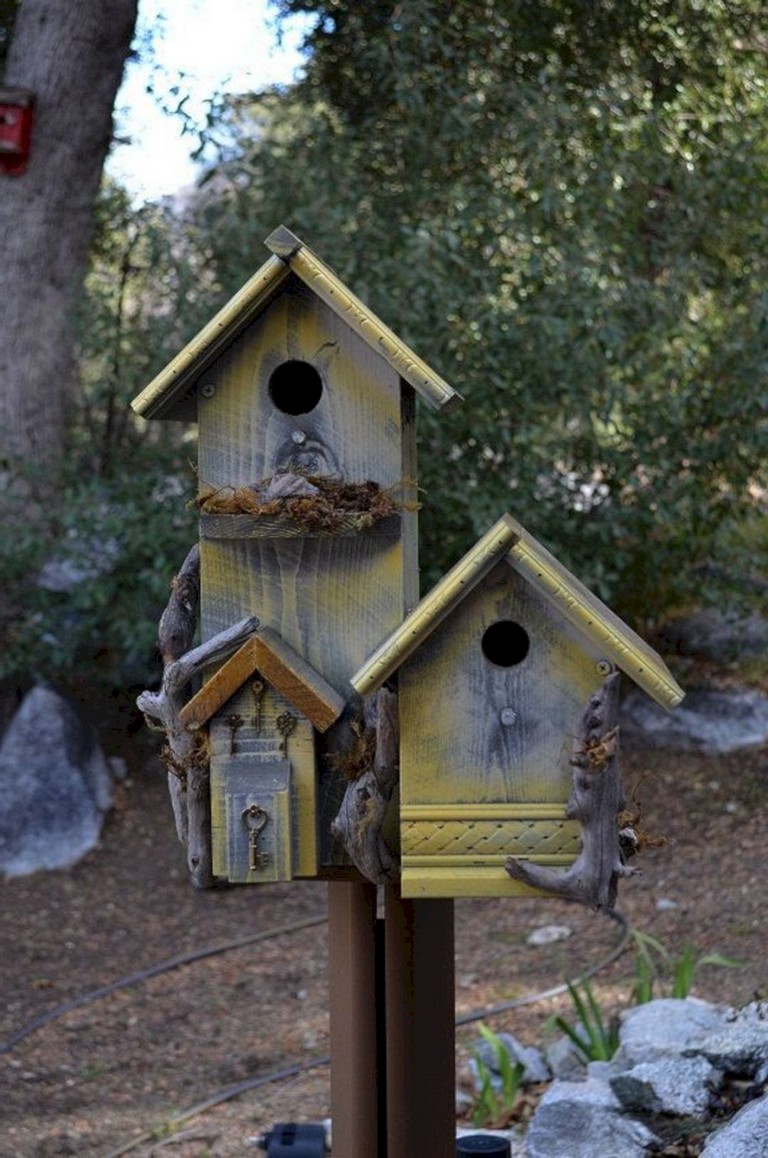
Birdhouses that are also works of art are a favorite among those looking to add a touch of personality to their garden. These houses often feature intricate carvings, painted designs, or unique materials like recycled metal or repurposed wood.
Birdhouses with decorative elements:
- Can be customized to match your garden's style.
- Offer a unique and personal touch to your landscape.
- Can be a conversation starter and bring joy to both you and your feathered friends.
Whether it's a whimsical gnome house or a rustic farmhouse style, a decorative birdhouse adds a unique and delightful element to your garden.
Birdhouses with Multiple Compartments
Birdhouses with multiple compartments are ideal for attracting a variety of birds. These houses can have separate nesting cavities for different species, offering more options for your feathered friends.
Here's why multi-compartment birdhouses are popular:
- They allow different birds to coexist peacefully.
- They provide more nesting options, increasing the chances of attracting a diverse range of birds.
- They can be a visually appealing addition to your garden, with their unique and practical design.
By offering a variety of nesting spaces, these birdhouses cater to the needs of different species and create a bustling haven for birds in your garden.
Birdhouses with Observation Features
Some birdhouses are designed with features that allow you to observe the birds nesting inside. These can include clear windows or removable panels that give you a glimpse into the birds' lives.
Here's why birdhouses with observation features are a hit:
- They offer a fascinating window into the birds' nesting behavior.
- They allow you to observe the birds' growth and development without disturbing them.
- They can be a fun and educational experience for kids and adults alike.
Observing birds in their natural habitat can be a truly rewarding experience, and birdhouses with observation features make it possible to enjoy this connection without disturbing the birds.
Tips for Choosing the Right Birdhouse
With so many birdhouses to choose from, it's important to consider a few key factors before making your purchase.
- Bird Species: What types of birds do you want to attract? Different birds prefer different size birdhouses with different entrance hole sizes.
- Material: Wood is the most common material for birdhouses, but you can also find them made from plastic, metal, or even recycled materials.
- Location: Consider the location of your birdhouse and choose one that is protected from the elements and predators.
- Maintenance: Choose a birdhouse that is easy to clean and maintain. Make sure the roof is easy to remove for cleaning and that the entrance hole is large enough to allow for easy access for you.
Beyond Birdhouses: Other Garden Features for Bird Attraction
Birdhouses are a great start, but there are other things you can do to make your garden more inviting for birds. These include:
- Planting Native Plants: Birds love native plants for food and shelter. Plant a variety of flowers, shrubs, and trees that provide natural food sources and nesting sites.
- Providing a Water Source: Birds need a reliable source of fresh water for drinking and bathing. Set up a birdbath or a small pond in your garden.
- Offering Supplemental Food: In the winter months, you can supplement the birds' natural food sources by providing seed feeders and suet feeders.
- Creating a Safe Habitat: Protect your garden from cats and other predators by keeping your pets inside or supervised, using bird-friendly fencing, and avoiding the use of pesticides and herbicides.
Commonly Asked Questions
When is the best time to put up a birdhouse?
The best time to put up a birdhouse is in the late fall or early winter, before the birds start nesting in the spring. This gives the birds time to find and get accustomed to their new home before breeding season begins.
How often should I clean a birdhouse?
It's a good idea to clean your birdhouse at least once a year, preferably in the fall after the nesting season ends. This will help to prevent the spread of disease and parasites.
What if no birds move in?
Don't worry if no birds move into your birdhouse right away. It may take some time for the birds to find it. Be patient and continue to make your garden a bird-friendly habitat.
Now you're equipped with the knowledge to choose and install the most sought-after birdhouses. Remember, providing a safe and comfortable nesting site is essential to attract and sustain birds in your garden. By understanding the preferences of different bird species and incorporating unique designs and features, you can create a vibrant and thriving bird sanctuary in your own backyard!

0 comments:
Post a Comment
Note: Only a member of this blog may post a comment.