


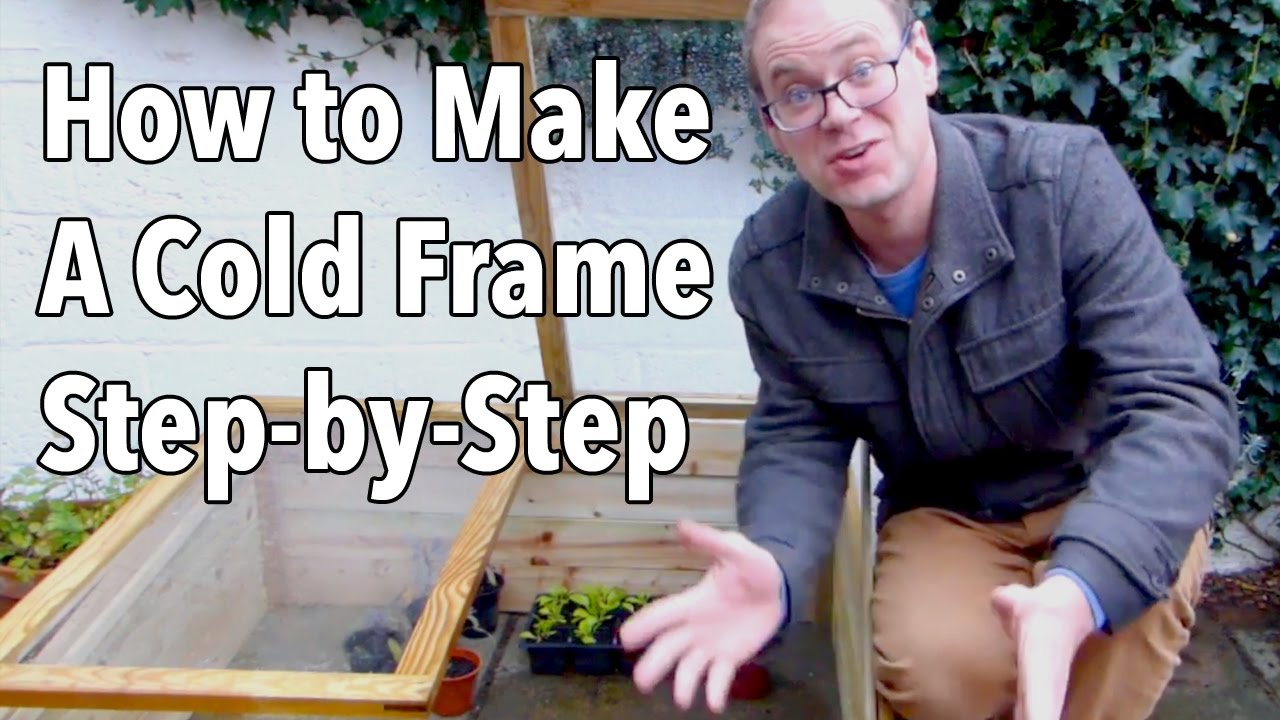
Step-by-Step Guide to Cold Frame Creation
A cold frame is a simple and cost-effective structure that can extend your gardening season and provide a safe haven for tender seedlings. This guide will walk you through the process of building your own cold frame, covering everything from materials to construction techniques.
Understanding Cold Frames
A cold frame is essentially a miniature greenhouse that uses the sun's warmth and the insulating properties of its materials to create a microclimate that is warmer than the surrounding air. It is a perfect tool for:
- Starting seeds early in the spring
- Hardening off seedlings before transplanting them outdoors
- Extending the growing season for cool-season crops in the fall
- Overwintering certain plants
Choosing the Right Location
The success of your cold frame depends heavily on its location. Choose a spot that meets the following criteria:
- Full sun exposure: Cold frames rely on sunlight for warmth. A south-facing location is ideal.
- Well-drained soil: Avoid areas prone to waterlogging, which can damage roots and create fungal problems.
- Protection from wind: A sheltered location will minimize heat loss and prevent damage to delicate seedlings.
- Accessibility: Choose a spot that allows you to easily access the cold frame for watering, weeding, and harvesting.
Materials and Tools
The materials for building a cold frame can be as simple or as elaborate as you desire. Here's a list of basic materials you'll need:
- Base:
- Wood (pressure-treated lumber for longevity)
- Concrete blocks
- Brick
- Frame:
- Wood (2x4s or 2x6s)
- Metal (galvanized steel or aluminum)
- Covering:
- Glass panes (recommended for optimal light transmission)
- Polycarbonate sheets (durable and less breakable than glass)
- Heavy-duty plastic sheeting (affordable but may require frequent replacement)
- Hinges and latch: To secure the cover and allow for ventilation
- Screws, nails, and sealant:
In addition to materials, you'll need basic tools:
- Saw
- Drill
- Screwdriver
- Measuring tape
- Level
- Hammer
Construction Steps
Follow these steps to build your cold frame:
1. Build the Base
The base should be level and sturdy to support the weight of the frame and covering. Consider:
- Wood Base: Construct a rectangular frame out of pressure-treated lumber, ensuring the corners are square. This is a good option for both freestanding and in-ground cold frames.
- Concrete Block Base: Use concrete blocks to create a raised base. Lay the blocks in a rectangular shape, making sure they are level.
- Brick Base: Similar to concrete blocks, bricks can be used to create a raised base. For a more durable base, lay the bricks in a mortar bed.
2. Build the Frame
The frame should be taller than the base and angled slightly forward for drainage. Build a rectangular frame using wood or metal, depending on your chosen material:
- Wood Frame: Cut the wood to the desired length and width of your cold frame. Attach the pieces together at the corners using screws or nails. For a more rigid frame, you can add bracing in the center. Angle the top of the frame slightly forward for drainage.
- Metal Frame: Metal frames can be built with pre-cut metal pieces or by cutting metal tubing or angle iron to size. Secure the metal pieces together using screws or rivets.
3. Attach the Cover
Choose your preferred covering based on your budget and desired light transmission:
- Glass: Cut glass panes to the size of the frame. Attach the glass with glazing points or silicone sealant. Use caution when handling glass, as it can be fragile.
- Polycarbonate Sheets: These sheets are readily available and are more durable than glass. Cut the sheets to size and attach them to the frame with screws or clips.
- Heavy-Duty Plastic Sheeting: Stretch the plastic over the frame and secure it in place with staples or clamps. Plastic sheeting is the least expensive option, but it may need to be replaced more often.
Add hinges and a latch to the cover to secure it and allow for ventilation.
4. Install and Prepare for Use
Place the frame on the base, ensuring it is level. Secure the frame to the base if necessary. Fill the interior with potting soil or your preferred growing medium. You can then sow seeds or transplant seedlings.
Using Your Cold Frame
Once your cold frame is built, you can start using it to extend your gardening season. Here are some tips for maximizing its use:
- Ventilation: Open the cover on sunny days to allow for air circulation. Close the cover at night to trap heat.
- Watering: Water the plants regularly, especially during dry spells. Avoid overwatering, which can lead to root rot.
- Light: Ensure your cold frame is positioned in a sunny location to maximize light exposure. If necessary, provide supplemental lighting during short winter days.
- Temperature Monitoring: Use a thermometer to monitor the temperature inside the cold frame. Adjust the cover as needed to maintain an optimal temperature range.
- Pest Control: Monitor your plants for pests and diseases. Use appropriate methods to control any infestations.
Additional Considerations
Here are some additional factors to consider when building or using a cold frame:
- Insulation: Adding insulation to the base and walls of your cold frame can help to retain heat. You can use materials like straw, hay, or foam insulation.
- Size: Choose a size that is appropriate for your needs. Smaller cold frames are easier to build and manage, but larger cold frames can accommodate more plants.
- Style: Cold frames come in various styles, including freestanding, in-ground, and wall-mounted. Choose a style that best suits your needs and space.
Conclusion
Building a cold frame is a rewarding project that can enhance your gardening experience. By providing a warm and protected environment for your plants, you can extend your growing season and enjoy fresh produce for longer. With proper planning, construction, and maintenance, your cold frame can become an invaluable tool for your garden.

0 comments:
Post a Comment
Note: Only a member of this blog may post a comment.