


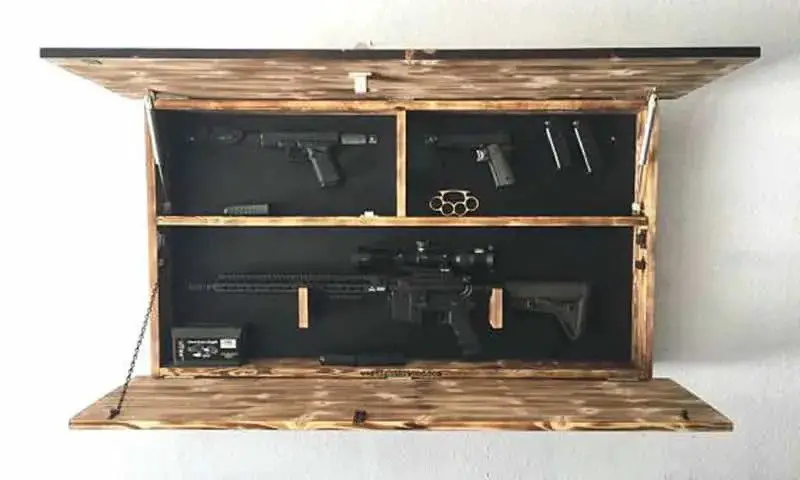
The safe and responsible storage of firearms is paramount for any gun owner. While commercially available gun safes offer a convenient solution, crafting a custom-built gun cabinet provides an opportunity to personalize security measures and achieve maximum protection. This guide outlines the design considerations and construction techniques for a handcrafted gun cabinet that prioritizes security and durability.
I. Planning and Design
A. Security Needs Assessment:
1. Determine the Purpose: Define the primary function of the cabinet - storage of handguns, long guns, or both. Consider the number of firearms, ammunition, and other accessories to be stored.
2. Risk Assessment: Evaluate potential threats - burglary, unauthorized access, environmental hazards (fire, flood). This assessment will guide the choice of materials, locking mechanisms, and other security features.
B. Size and Dimensions:
1. Gun Dimensions: Account for the longest firearm to be stored, including any optics or accessories.
2. Storage Capacity: Calculate the required space for firearms, ammunition, cleaning supplies, and other related items.
3. Cabinet Design: Consider a vertical or horizontal configuration based on available space and accessibility needs.
C. Construction Materials:
1. Cabinet Body: Choose a durable, non-combustible material like steel, concrete, or fire-resistant plywood.
2. Door: Opt for a solid core door with a heavy-duty steel frame and multiple locking points.
3. Shelving and Hardware: Utilize high-quality, corrosion-resistant materials such as stainless steel or powder-coated metal.
D. Locking Mechanisms:
1. Key-operated Locks: Select high-security locks with multiple locking points and tamper-resistant features.
2. Electronic Locks: Consider electronic locks with programmable PIN codes or biometric authentication for enhanced security.
3. Multiple Locking Points: Implement multiple locking points, including deadbolts, hinges, and door-mounted locking bars.
E. Fire and Water Resistance:
1. Fire-resistant Materials: Utilize fire-resistant insulation, sealants, and paint for added protection against fire.
2. Water-resistant Measures: Incorporate water-resistant materials like epoxy coatings and sealed seams to prevent water damage.
II. Construction Techniques
A. Frame Construction:
1. Steel Frame: A steel frame provides the strongest foundation for a gun cabinet. Use heavy-gauge steel and reinforce corners with gussets for enhanced rigidity.
2. Plywood Frame: Use marine-grade plywood for a less expensive but still durable option. Reinforce corners with strong adhesive and screws.
B. Wall Panels:
1. Steel Panels: Use heavy-gauge steel panels for maximum security and fire resistance.
2. Plywood Panels: Utilize multiple layers of plywood for added strength and fire resistance.
C. Door Construction:
1. Solid Core Door: Construct a solid core door with a heavy-duty steel frame.
2. Multiple Locking Points: Incorporate multiple locking points, including deadbolts, hinges, and door-mounted locking bars.
D. Shelving and Storage:
1. Adjustable Shelving: Install adjustable shelves for maximum versatility in storage.
2. Compartmentalization: Consider compartments for specific types of firearms, ammunition, and accessories.
E. Finishing Touches:
1. Paint: Apply a high-quality paint for durability and aesthetics.
2. Hardware: Install high-quality, corrosion-resistant hardware for handles, hinges, and locking mechanisms.
III. Advanced Security Features
A. Alarm System:
1. Motion Sensors: Integrate motion sensors to detect any unauthorized movement near the cabinet.
2. Door Contacts: Install door contacts to alert when the cabinet is opened.
B. Surveillance System:
1. Security Cameras: Install security cameras to record any activity near the cabinet.
2. Remote Monitoring: Consider a remote monitoring system for real-time access to video feeds and alerts.
C. Secure Anchoring:
1. Floor Anchoring: Secure the cabinet to the floor using heavy-duty bolts or concrete anchors.
2. Wall Anchoring: Consider anchoring the cabinet to the wall for additional security.
IV. Maintenance and Inspection
A. Regular Cleaning:
1. Dust Removal: Regularly dust the interior and exterior of the cabinet to prevent rust and corrosion.
2. Lubrication: Lubricate hinges, locks, and other moving parts periodically.
B. Locking Mechanism Inspection:
1. Functionality: Periodically check the functionality of all locking mechanisms to ensure proper operation.
2. Key Security: Keep keys secure and consider a safe deposit box for storage.
C. Fire and Water Damage Prevention:
1. Smoke Detector: Install a smoke detector near the cabinet.
2. Water Leakage Prevention: Ensure proper ventilation to prevent moisture accumulation.
V. Conclusion
A handmade gun cabinet offers the opportunity to create a custom-built secure storage solution that meets individual needs and prioritizes maximum protection. By carefully considering design elements, construction techniques, and advanced security features, gun owners can construct a cabinet that effectively protects their firearms and ammunition from theft, unauthorized access, and environmental hazards. Consistent maintenance and regular inspections will ensure the continued effectiveness of this crucial security measure.

0 comments:
Post a Comment
Note: Only a member of this blog may post a comment.